Why Should You Consider Rigid Crawl Space Insulation for Energy Efficiency?
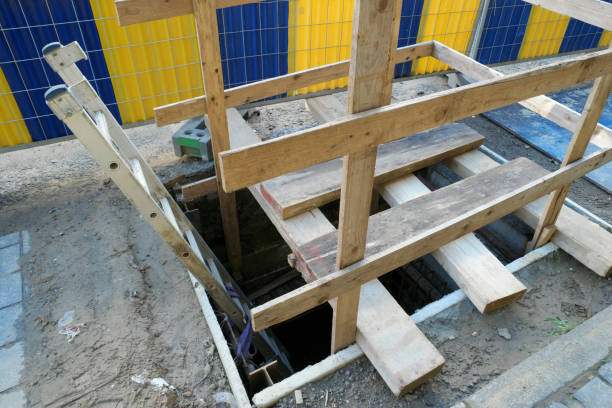
Why Should You Consider Spray Foam for Your Crawl Space Insulation in Toronto? (2026 Guide)
The crawl space is the forgotten zone of most Toronto homes — dark, inaccessible, and easy to ignore until problems become impossible to overlook: floors that are cold in winter, moisture that drives mould growth, pipes that freeze in January, and energy bills that climb year over year with no obvious explanation. If you have a crawl space under any part of your home in Scarborough, Etobicoke, Mississauga, or Brampton, it’s almost certainly undermining your home’s energy performance and comfort — right now.
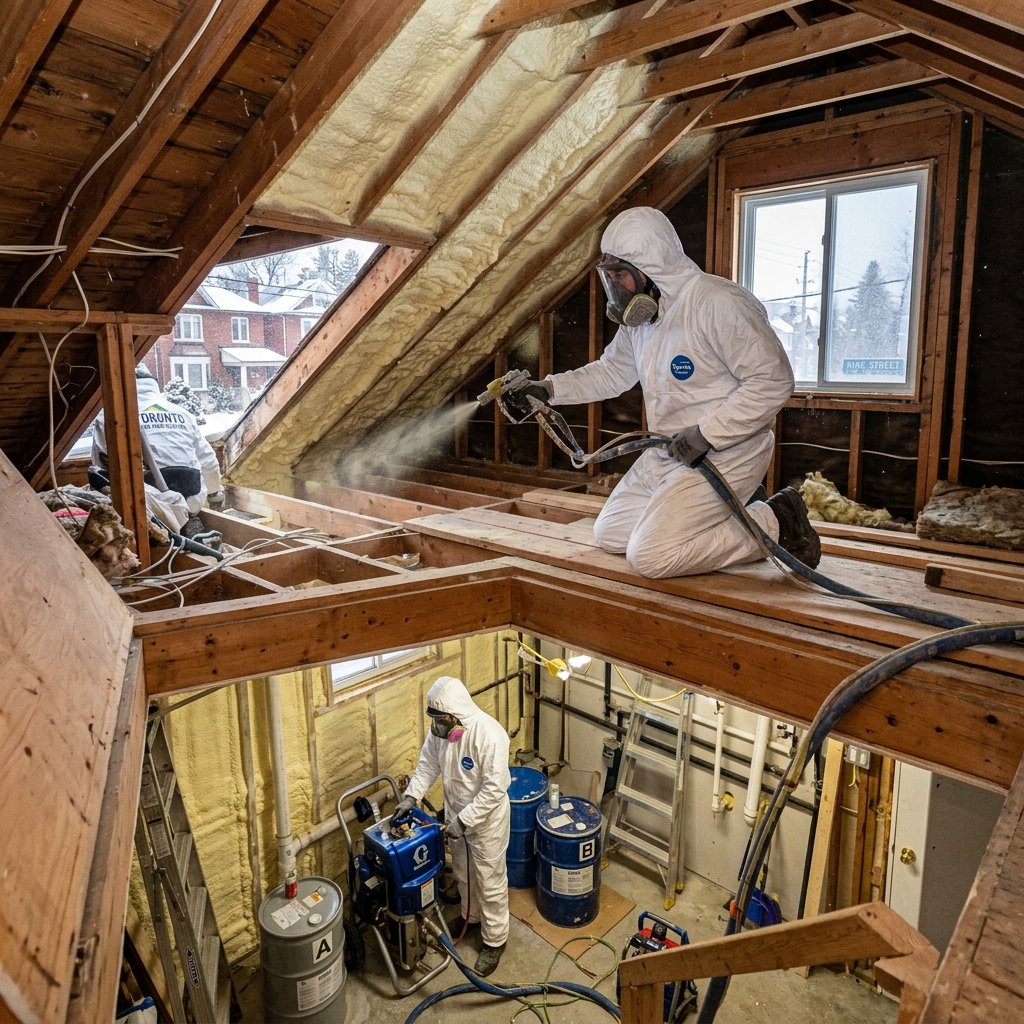
Spray foam insulation has become the gold standard for crawl space treatment in Toronto’s climate, replacing the outdated and problematic vented crawl space model with a conditioned, sealed, high-performance encapsulated system. This guide explains why, what it costs in CAD, and how Spray Foam Kings approaches crawl space projects across the GTA in 2026.
The Problem with Traditional Vented Crawl Spaces
For decades, building codes required crawl spaces to be vented to the exterior — the theory being that outdoor air would carry moisture away from the crawl space. We now know this model is counterproductive in most climates, including Toronto’s.
In summer, warm, humid outdoor air flows into the cool crawl space through vents, hits the cold surface of the ground and the cold wood framing, and deposits moisture — exactly the opposite of what’s intended. That moisture fuels mould growth on wood framing, degrades fibreglass insulation batts installed at the crawl space floor, and contributes to the musty smell that migrates into living spaces above. In winter, the vented crawl space is a zone of extreme cold — directly below your floors — making every room above uncomfortable and driving up heating costs dramatically.
The modern approach — now permitted and encouraged by Ontario Building Code — is the unvented, conditioned crawl space, also called “encapsulation.” The vents are sealed, a vapour barrier is installed on the ground, and the walls of the crawl space are insulated. The space becomes part of the thermal envelope of the home — warm, dry, and mould-resistant.
Why Spray Foam is the Best Choice for Crawl Space Walls
Multiple insulation approaches can be used on crawl space walls, but closed-cell spray foam offers decisive advantages in Toronto’s climate:
Vapour barrier in one step: Closed-cell spray foam has a perm rating well below 1.0, meeting Ontario Building Code’s vapour barrier requirements. No separate poly vapour barrier on the walls is needed — the foam is the vapour barrier. This is significant because polyethylene sheets on crawl space walls are notoriously difficult to install properly around irregular concrete, columns, and penetrations.
Air sealing and insulation simultaneously: Closed-cell foam seals every crack and gap in the concrete foundation wall while insulating it — with R-6 to R-7 per inch. Two inches provides R-12 to R-14; three inches provides R-18 to R-21. This far exceeds what rigid foam board or fibreglass batts can achieve in a crawl space environment.
Moisture resistance: Closed-cell foam does not absorb water. In a crawl space environment where humidity is a persistent challenge, this is critical. Fibreglass batts in crawl spaces absorb moisture, lose their R-value, and become a mould substrate within a few years — especially in older Scarborough and Etobicoke homes with persistent ground moisture.
Pest resistance: Spray foam creates a seamless, dense barrier that mice, insects, and other pests cannot easily penetrate or nest in — a meaningful benefit in mature Toronto neighbourhoods where pest infiltration through foundation cracks is common.
The Spray Foam Kings Crawl Space Encapsulation Process
Our crawl space encapsulation approach for Toronto homes in 2026 follows a proven sequence:
1. Assessment and Remediation: We inspect the crawl space for existing moisture damage, mould, debris, and pest evidence. Any mould remediation or debris removal needed is flagged and addressed before insulation begins.
2. Vent Sealing: Existing foundation vents are sealed from the interior with rigid foam board and spray foam — eliminating outdoor air infiltration permanently.
3. Ground Vapour Barrier: We install a 20-mil reinforced polyethylene vapour barrier on the crawl space floor, lapped up the walls and sealed to the foundation. This prevents ground moisture from entering the conditioned crawl space.
4. Spray Foam Application: Closed-cell spray foam is applied to the crawl space walls (inside the foundation) and the rim joists. Typically 2–3 inches, achieving R-12 to R-21 on the walls and R-12 to R-14 on the rim joists.
5. Mechanical Ventilation (if required): In some configurations, a small amount of conditioned air from the home’s HVAC system is introduced to the crawl space to maintain positive pressure and prevent humidity buildup. We’ll design the right approach for your specific home and HVAC system.
6. Final Inspection and Documentation: We provide a post-installation inspection report, product data sheets, and any documentation required for building permits or rebate claims.
2026 CAD Pricing: Crawl Space Insulation in Toronto
| Service | Typical Scope | CAD Cost Range |
|---|---|---|
| Rim joist spray foam only | Crawl space perimeter | $800 – $1,800 |
| Crawl space walls (closed-cell, 2″) | 400–800 sq ft wall area | $2,000 – $4,500 |
| Full encapsulation (walls + rim + vapour barrier) | 400–800 sq ft | $3,500 – $7,500 |
| Full encapsulation (large crawl space) | 800–1,500 sq ft | $6,500 – $14,000 |
| Mould remediation add-on | Variable | $800 – $3,500+ |
Annual energy savings from crawl space encapsulation in the GTA typically range from $400–$900 for a standard residential crawl space, with payback periods of 5–10 years. The comfort improvement — warmer floors, reduced cold air infiltration — is often described by homeowners as immediate and dramatic.
Frequently Asked Questions: Crawl Space Insulation
Should I insulate the crawl space ceiling or the walls?
For vented crawl spaces being converted to conditioned (encapsulated) spaces, the walls are insulated — not the ceiling. The crawl space becomes part of the thermal envelope. For crawl spaces remaining vented, the ceiling (floor of the room above) is insulated. The conditioned wall-insulation approach is almost always superior in Toronto’s climate and is what Spray Foam Kings recommends and installs.
Will encapsulating my crawl space cause moisture problems?
When done properly — with a ground vapour barrier, sealed vents, and appropriate mechanical ventilation — encapsulation eliminates moisture problems rather than creating them. The key is the complete system: vapour barrier on the ground, sealed vents, foam on the walls, and adequate air exchange. Partial encapsulation (e.g., sealing vents without a ground barrier) can create problems. Spray Foam Kings designs complete, code-compliant systems.
How do I know if my crawl space has mould?
Signs include musty odour in rooms above the crawl space, visible dark staining on wood framing or subflooring, high humidity readings (above 60% RH) in the crawl space, and white efflorescence on concrete walls. If you suspect mould, we recommend a visual inspection before proceeding with insulation — addressing mould first ensures the new insulation performs as intended.
Does encapsulating a crawl space affect my home insurance?
Some Ontario insurers treat crawl space encapsulation as a risk reduction improvement — particularly the elimination of standing water and mould risk. Check with your broker for current 2026 program terms. Documentation from Spray Foam Kings of the completed work can support any insurer inquiry.
How long does crawl space encapsulation last?
The spray foam component lasts indefinitely. The ground vapour barrier has a 20–30 year lifespan under normal conditions. The overall system requires no ongoing maintenance beyond occasional visual inspection during your annual home inspection routine.
Fix Your Crawl Space Once, Benefit for Decades
A properly encapsulated crawl space transforms one of your home’s biggest energy and moisture liabilities into a clean, dry, usable zone — while improving comfort in every room above it. In 2026, this is one of the highest-impact, most underrated home upgrades available to Toronto homeowners.
Call Spray Foam Kings at 647-641-6881 for your free crawl space assessment. We serve homes throughout Toronto, Scarborough, North York, Etobicoke, Mississauga, Brampton, Vaughan, and Markham — and we can typically schedule your assessment within a week. Let’s get your crawl space working for you, not against you.
Related posts
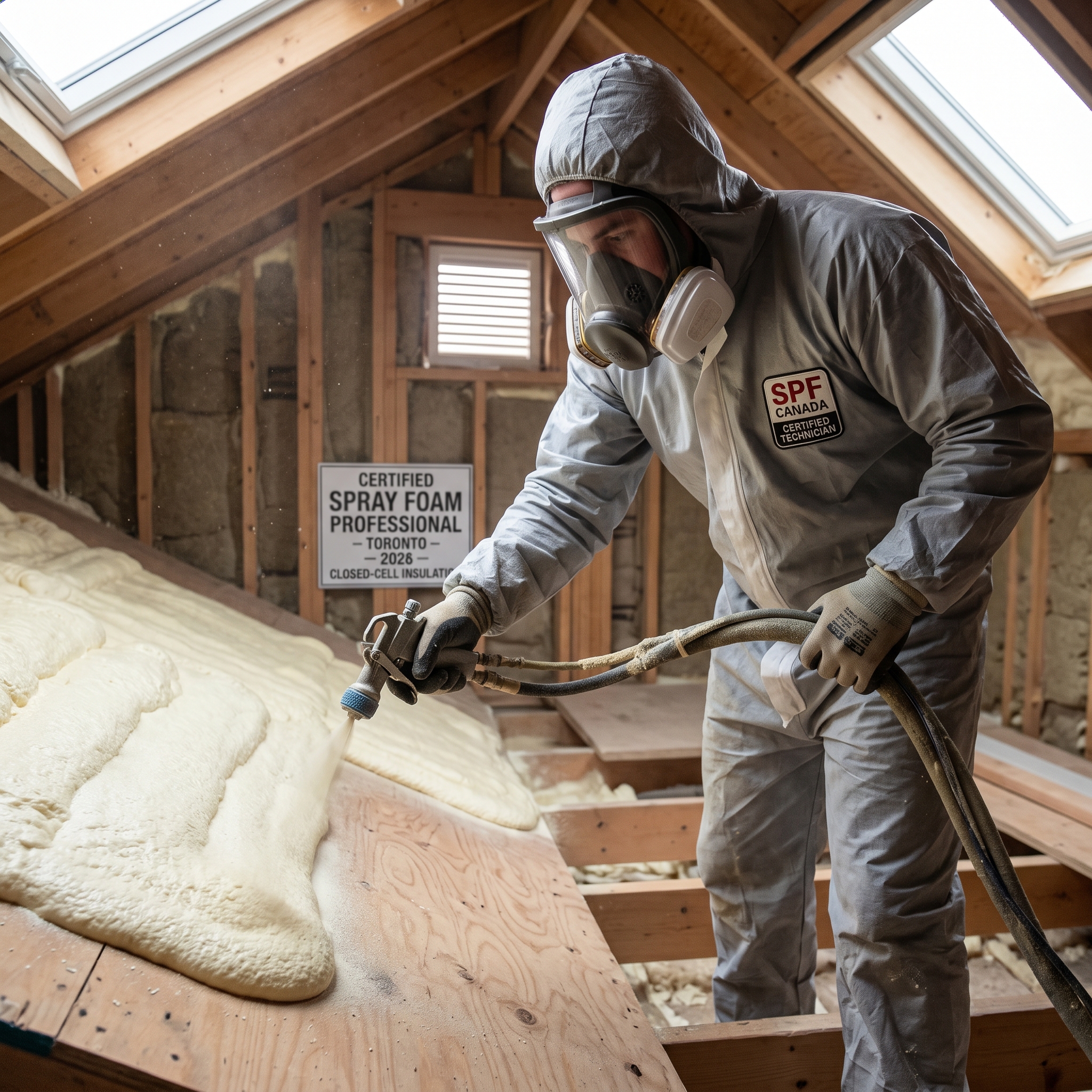
Closed Cell Spray Foam Canada Toronto 2026: Complete Guide
Closed cell spray foam insulation in Canada costs between $2.50 and $5.00 per square foot CAD installed, making it one of the most cost-effective and
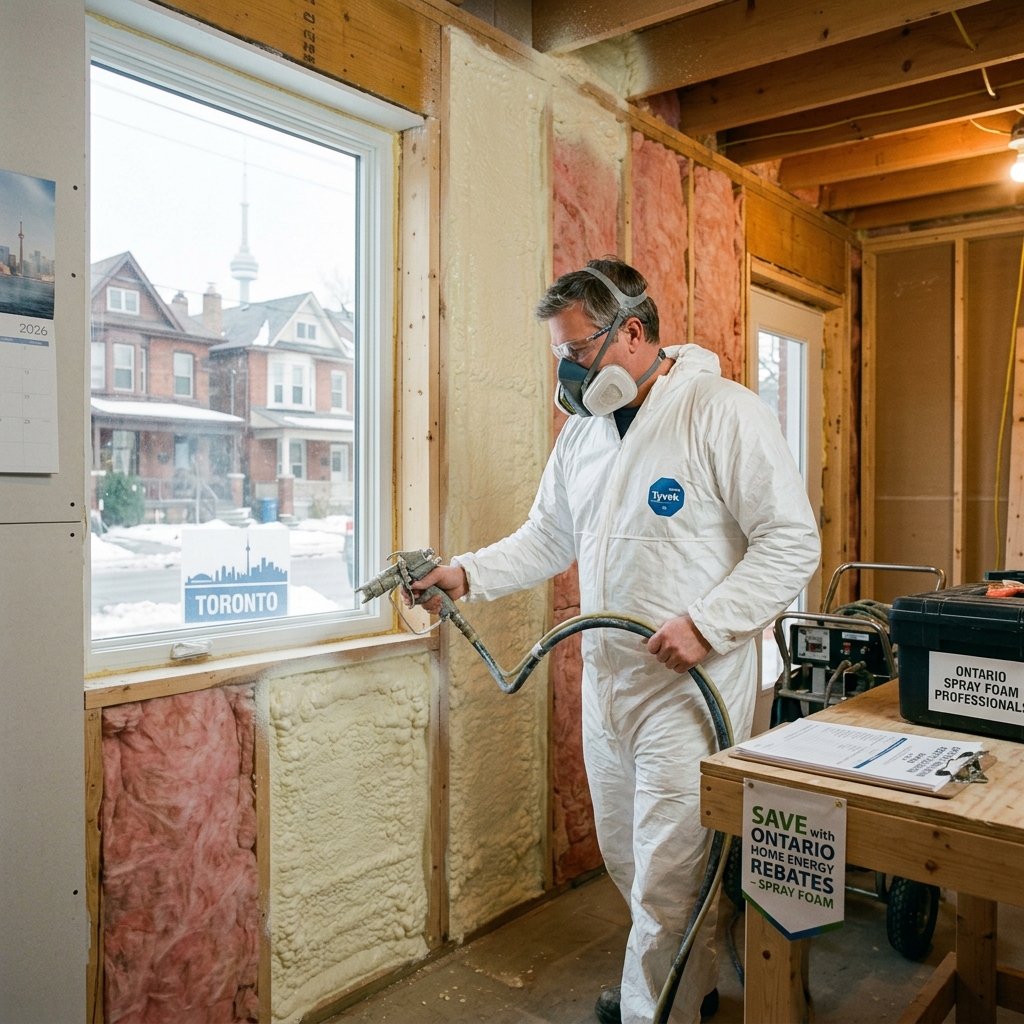
Insulation Rebate Ontario Toronto 2026: Complete Guide
Ontario homeowners who install spray foam insulation can qualify for rebates ranging from $1,600 to $10,600 CAD through federal and provincial programs — and
Spray Foam Insulation Cost Toronto 2026: Exact Pricing for Your Home
Spray foam insulation in Toronto costs $1.50–$3.50 per square foot CAD for open-cell foam and $2.50–$5.00 per square foot CAD for closed-cell foam, fully
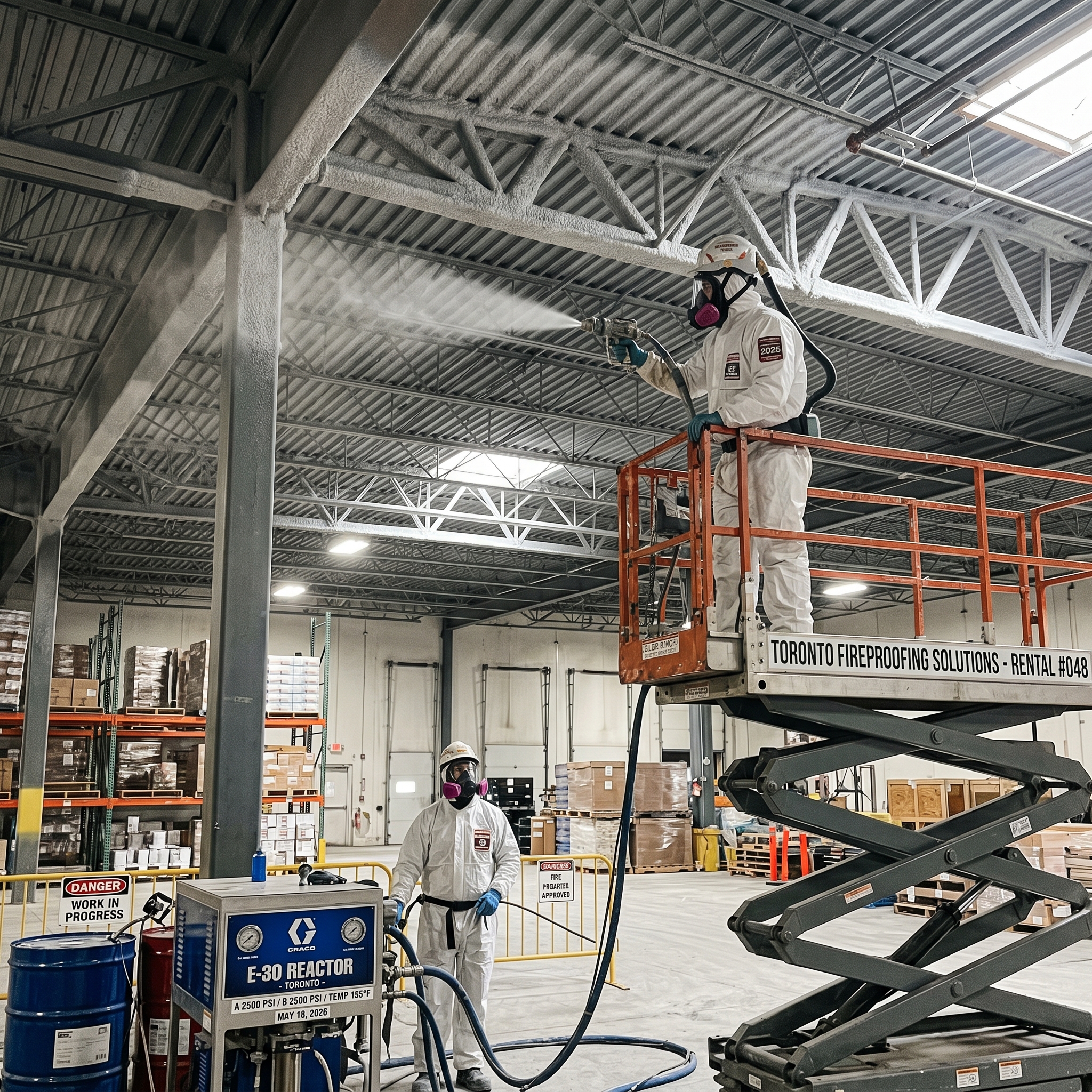
Commercial Spray Foam Fireproofing Services — Toronto & GTA 2026
Commercial spray foam fireproofing in Toronto costs $3.50–$8.00 per square foot installed in 2026, depending on required fire-resistance rating,
Spray Foam Insulation Rebate Ontario 2026: How to Get Up to $10,000 Back on Your Upgrade
Spray foam insulation rebates in Ontario for 2026 can put up to $10,000 CAD back in your pocket when you upgrade from fiberglass or cellulose to