WHY SHOULD I INSULATE THE BASEMENT OF MY HOUSE?
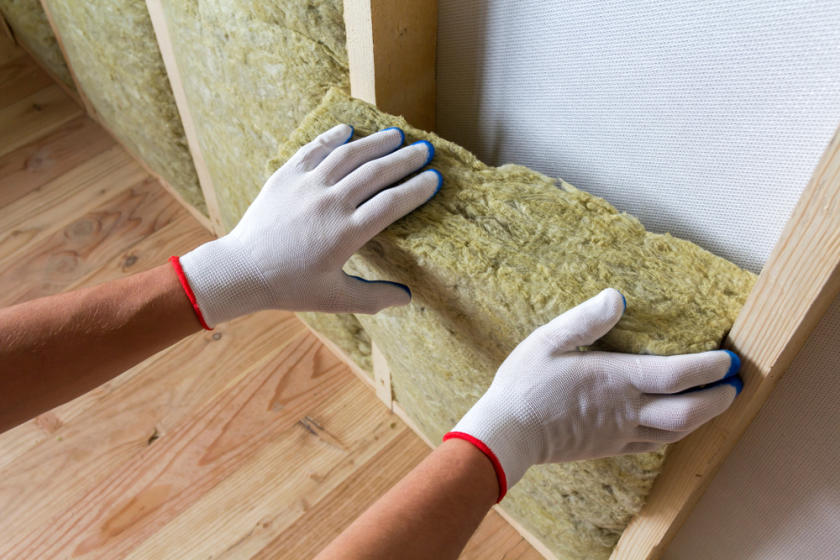
Why Should I Insulate the Basement of My House in Toronto? (Complete 2026 Guide)
It’s a question Spray Foam Kings hears constantly from homeowners across the GTA: “My house has been standing for 40 years without basement insulation — why should I bother now?” It’s a fair question, and the answer has gotten more compelling with every passing year. In 2026, with energy costs at record highs, Ontario’s building codes pushing ever-harder on thermal performance, and basement finishing increasingly popular in Scarborough, North York, Etobicoke, and beyond, the case for basement insulation is stronger than it’s ever been.
This guide explains the core reasons — thermal, financial, structural, and health-related — that make basement insulation one of the most impactful home improvements available to Toronto homeowners today.
Reason 1: Your Basement Is a Major Source of Heat Loss
Most Toronto homeowners are surprised to learn how much heat escapes through their basement. Uninsulated basement walls and rim joists (the perimeter framing at the top of your foundation) account for 15–25% of your home’s total heat loss. For a typical pre-1990 GTA home with concrete block or poured concrete walls and no insulation, this is thousands of dollars in wasted energy over the lifetime of the home.
Concrete is not an insulator — it conducts heat readily. Toronto’s ground temperature below the frost line stabilizes at approximately 8–10°C year-round, but above the frost line (which extends several feet into the soil), foundation walls are exposed to outdoor temperature swings. Without insulation, those walls transfer cold directly into your basement and then into your living space above.
In 2026, with Enbridge gas rates and Toronto Hydro delivery charges both significantly higher than five years ago, the annual cost of an uninsulated basement in a typical GTA detached home is estimated at $600–$1,500 in excess energy costs — savings that would largely be captured with proper insulation.
Reason 2: Cold Basement Floors and Uncomfortable Living Spaces
Walk across the kitchen floor on a January morning and feel cold creeping up through your feet. The main floor of a home with an uninsulated basement is often the coldest room in the house — not because it’s poorly insulated itself, but because the basement air and the uninsulated floor assembly are directly cooling it from below.
Insulating the basement walls creates a “warm shell” around the basement space. Even if the basement itself isn’t heated, the insulation buffer means the floor above becomes dramatically more comfortable. For families in Brampton, Vaughan, or Mississauga with young children who play on the floor, this is a quality-of-life improvement that’s immediately felt.
Reason 3: Moisture Control and Mould Prevention
Uninsulated basement walls are cold in winter. When warm, moist interior air contacts these cold surfaces, it condenses — depositing moisture that fuels mould growth on drywall, wood framing, insulation batts, and stored belongings. This is the mechanism behind the “musty basement smell” that’s endemic in older Toronto homes, and it’s a health concern that goes well beyond cosmetics.
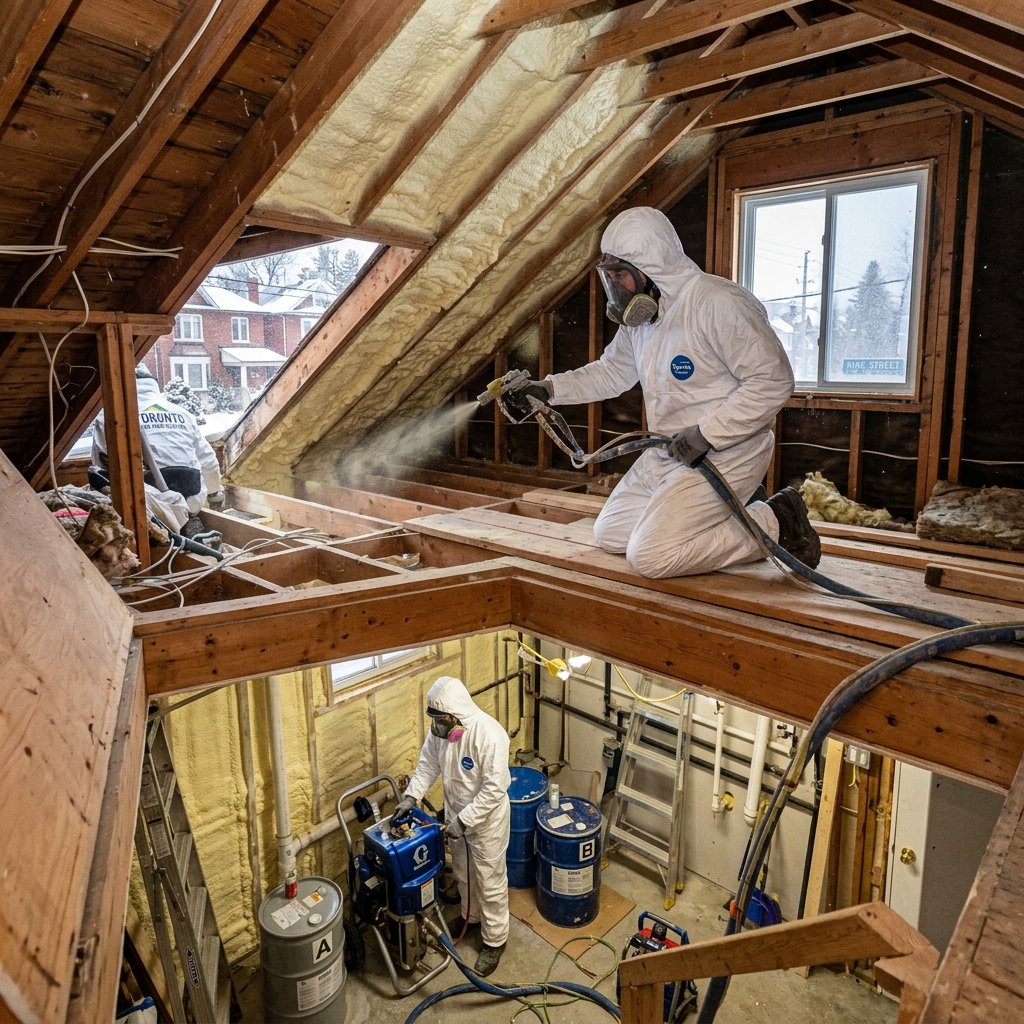
Proper basement insulation — especially closed-cell spray foam applied directly to the foundation wall — raises the wall surface temperature above the dew point, eliminating condensation. Spray foam also acts as a vapour barrier, preventing moisture drive through the concrete and eliminating the moisture source that feeds basement mould. The result is a cleaner, healthier indoor environment that benefits occupants on every floor of the home.
Reason 4: Ontario Building Code Requirements Are Tightening
In 2026, Ontario’s building code and supplementary standards (SB-12) require minimum effective R-values for basement wall assemblies in new construction and major renovations throughout the GTA. The current minimum for below-grade walls is effective R-15 in Toronto’s climate zone — a target that is impossible to achieve with fibreglass batts alone (which only deliver R-3.2 per inch and don’t provide a vapour barrier).
If you’re planning to finish your basement — converting it to living space, adding a secondary suite for rental income, or simply improving it as usable space — you’ll need insulation that meets OBC requirements to pass inspection. Spray foam applied at 2–3 inches on the foundation walls delivers R-12 to R-21 of continuous, thermal-bridge-free insulation with built-in vapour barrier — meeting OBC requirements in a single application.
Reason 5: Foundation Protection
Insulating the inside of your basement walls provides indirect protection for your foundation by moderating the freeze-thaw cycle that affects the soil surrounding your foundation. When interior heat migrates through an uninsulated foundation wall and warms the adjacent soil, it contributes to a faster freeze-thaw cycle at the foundation interface — a process that stresses the foundation over time.
Additionally, by eliminating interior condensation and reducing moisture infiltration, proper insulation reduces the hydrostatic and chemical stresses that contribute to basement wall cracking and spalling in older Toronto homes — particularly those with concrete block (CMU) foundations that are more permeable than poured concrete.
Reason 6: Secondary Suite and Income Potential
With Toronto and the surrounding municipalities working to address housing affordability in 2026 by permitting accessory dwelling units (ADUs) and basement apartments, the income potential of a properly insulated, legal basement suite has never been greater. Rental rates for legal basement apartments in Toronto, Scarborough, and North York range from $1,500–$2,500/month in 2026 — representing significant income potential for homeowners.
But a legal secondary suite requires OBC-compliant construction — including proper wall insulation, vapour barriers, fire separations, and egress. Spray foam provides the insulation and vapour control in a single efficient application, streamlining the basement conversion process and reducing overall project cost.
2026 CAD Cost Guide: Basement Insulation in Toronto
| Scope | Coverage | CAD Cost Range |
|---|---|---|
| Rim joist only (closed-cell, 2″) | Full perimeter | $800 – $1,800 |
| Basement walls (closed-cell, 2″) | Full perimeter, full height | $3,500 – $7,000 |
| Basement walls (closed-cell, 3″) | Full perimeter, full height | $5,000 – $9,500 |
| Walls + rim joist package | Full basement envelope | $4,500 – $9,000 |
| Full secondary suite prep | Walls + rim + fire blocking | $6,000 – $12,000 |
Why Spray Foam Kings for Basement Insulation
Spray Foam Kings has been insulating Toronto basements for 15+ years. Our SPFA-certified technicians understand below-grade moisture dynamics, OBC compliance requirements, and the specific challenges of insulating Toronto’s diverse basement stock — from 1950s concrete block bungalow basements in Etobicoke to modern poured concrete foundations in new Brampton and Vaughan subdivisions.
We carry $5M in liability insurance, full WSIB coverage, and provide written quotes with product specifications on every project. Our post-installation documentation supports Canada Greener Homes rebate claims and building permit files.
Frequently Asked Questions
Is it better to insulate basement walls from the inside or outside?
Interior insulation is far more common and practical for existing homes in Toronto — it doesn’t require excavation, landscaping disruption, or waterproofing work on the exterior of the foundation. Exterior insulation (applied outside during new construction or major foundation work) offers some thermal advantages but is rarely justified for retrofit projects. Interior spray foam delivers excellent performance at a fraction of the cost and disruption.
Can I insulate my basement walls myself?
Fibreglass batts and rigid foam boards are DIY-friendly but deliver inferior performance in basement environments — particularly for vapour control and air sealing. Spray foam requires professional equipment and training. For any basement insulation intended to meet OBC requirements for a secondary suite or permitted renovation, professional installation with documented products is required.
How does basement insulation affect my home’s EnerGuide rating?
Basement wall and rim joist insulation can improve a home’s EnerGuide rating by 5–15 points depending on existing conditions and the scope of work. This improvement can unlock Canada Greener Homes rebates (up to $5,600 in 2026) and may improve your home’s value in an energy-conscious market.
Will insulating my basement help with radon?
Spray foam seals cracks and penetrations in foundation walls, which can reduce radon entry pathways. However, radon mitigation is a specialized field and full radon control requires a dedicated sub-slab depressurization system if elevated radon levels are confirmed by testing. Spray Foam Kings can discuss radon considerations during your assessment.
How much can I save annually by insulating my Toronto basement?
For a typical pre-1990 Toronto detached home, rim joist insulation alone typically saves $250–$500 CAD annually based on 2026 utility rates. Full basement wall insulation adds another $400–$900 annually. Combined with attic insulation, total whole-home spray foam projects commonly deliver $1,500–$3,000+ in annual energy savings.
The Time to Insulate Is Now
Every heating season you run without proper basement insulation is money and comfort you’re leaving on the table. In 2026, with utility costs at historic highs and Ontario’s building standards making energy efficiency a clear priority, the financial and practical case for basement insulation has never been more compelling.
Call Spray Foam Kings at 647-641-6881 for a free basement insulation assessment. We serve homeowners throughout Toronto, Scarborough, North York, Etobicoke, Mississauga, Brampton, Vaughan, and Markham — and we provide written quotes within 24 hours of your site visit. Don’t wait for another winter to pass before fixing this.
Related posts
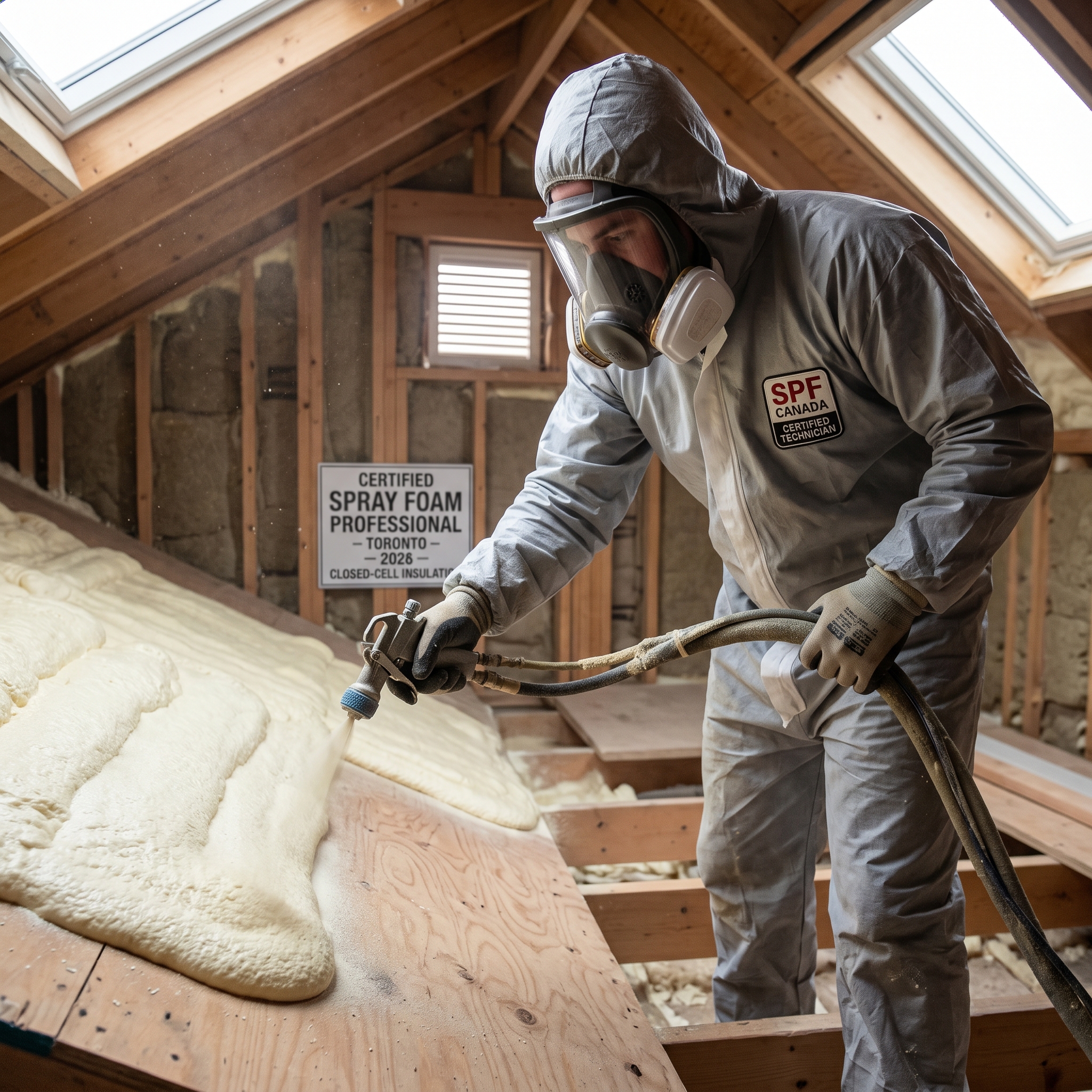
Closed Cell Spray Foam Canada Toronto 2026: Complete Guide
Closed cell spray foam insulation in Canada costs between $2.50 and $5.00 per square foot CAD installed, making it one of the most cost-effective and
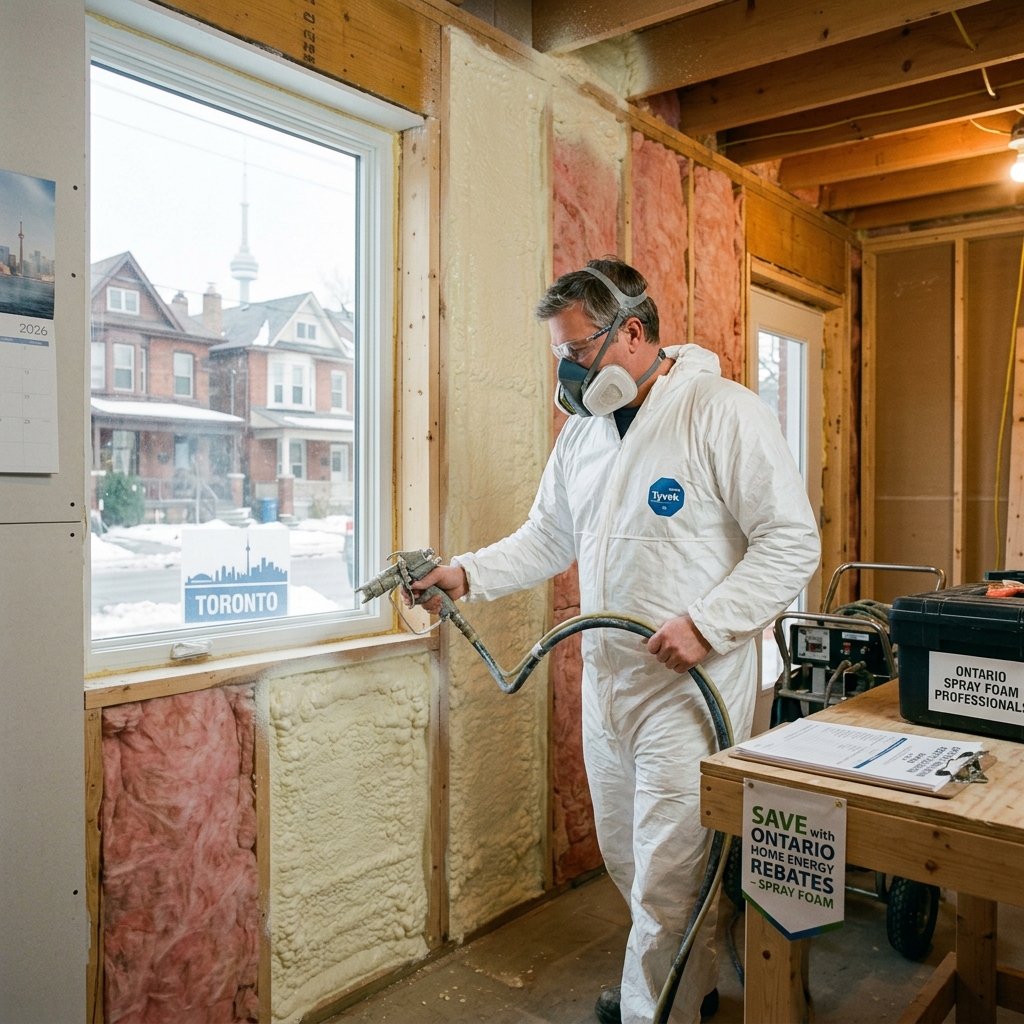
Insulation Rebate Ontario Toronto 2026: Complete Guide
Ontario homeowners who install spray foam insulation can qualify for rebates ranging from $1,600 to $10,600 CAD through federal and provincial programs — and
Spray Foam Insulation Cost Toronto 2026: Exact Pricing for Your Home
Spray foam insulation in Toronto costs $1.50–$3.50 per square foot CAD for open-cell foam and $2.50–$5.00 per square foot CAD for closed-cell foam, fully
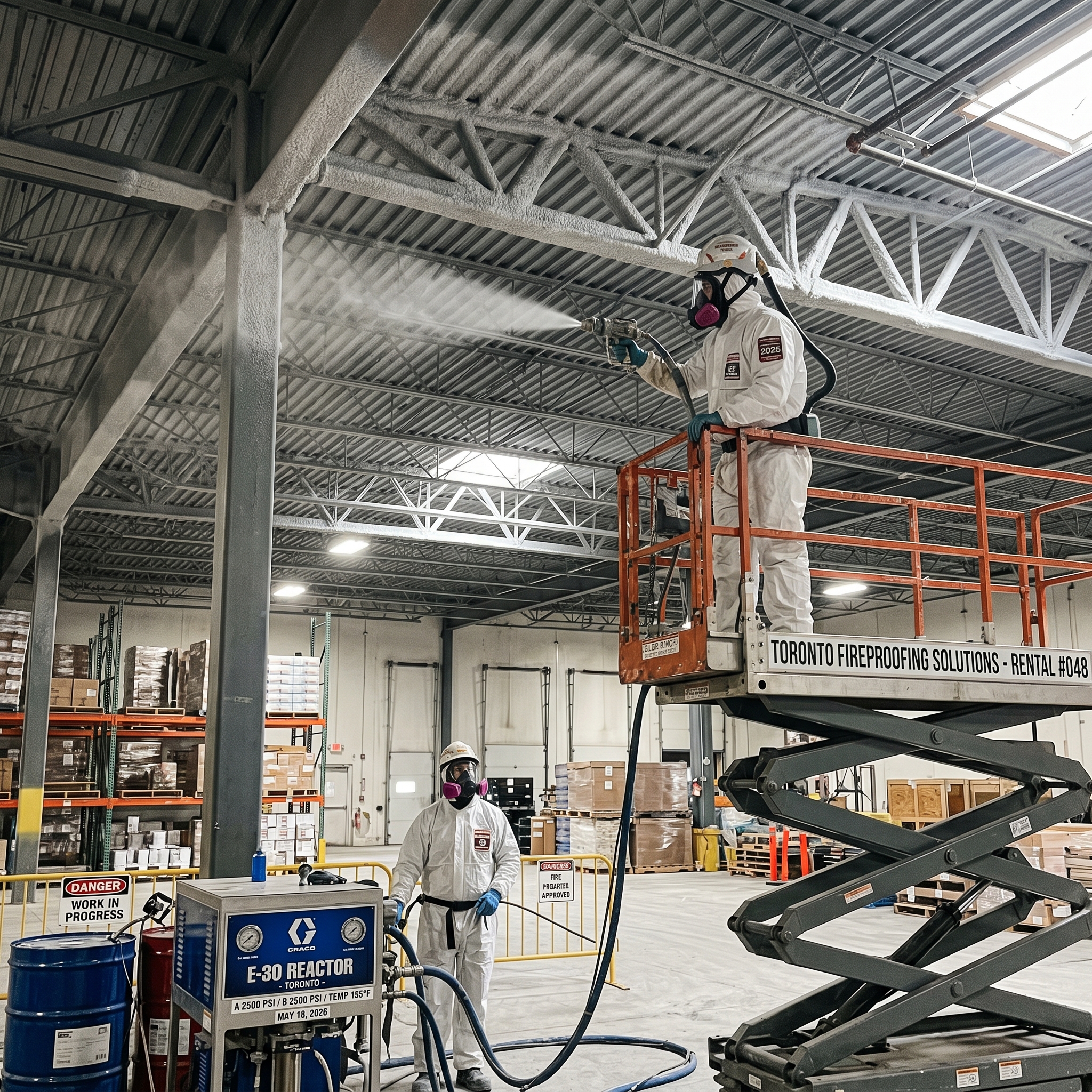
Commercial Spray Foam Fireproofing Services — Toronto & GTA 2026
Commercial spray foam fireproofing in Toronto costs $3.50–$8.00 per square foot installed in 2026, depending on required fire-resistance rating,
Spray Foam Insulation Rebate Ontario 2026: How to Get Up to $10,000 Back on Your Upgrade
Spray foam insulation rebates in Ontario for 2026 can put up to $10,000 CAD back in your pocket when you upgrade from fiberglass or cellulose to