Spray Foam Attic Insulation: A Cost-Effective Solution for Homeowners
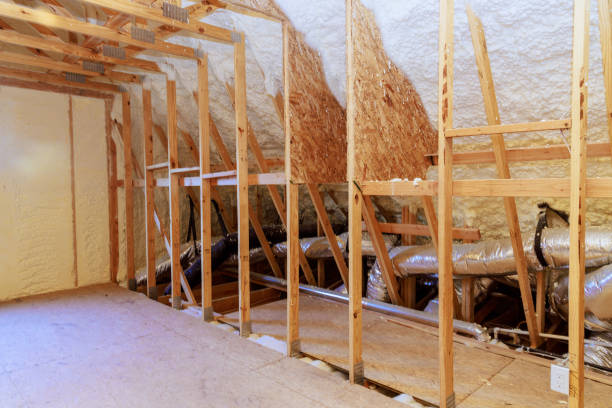
Spray Foam Attic Insulation: The Most Cost-Effective Solution for Toronto Homeowners in 2026
Your attic is the single most impactful insulation opportunity in your home. Studies consistently show that 25–40% of a home’s heat loss occurs through the roof assembly — making attic insulation the highest-ROI upgrade most GTA homeowners can make. In 2026, with Enbridge gas rates and Toronto Hydro electricity prices both having climbed significantly over the past three years, the financial case for proper attic insulation has never been stronger.
Spray foam has emerged as the premium choice for Toronto attic insulation, outperforming blown-in fibreglass, mineral wool batts, and cellulose in both thermal performance and longevity. This guide explains exactly why — and what it will cost you in CAD to upgrade your Scarborough, North York, Etobicoke, Mississauga, or Brampton home.
The Attic Heat Loss Problem in Toronto Homes
Most Toronto homes — especially those built before 1990 — have under-insulated attics. A typical pre-1990 Scarborough or North York home may have R-20 to R-28 of blown-in fibreglass in the attic floor. Ontario’s 2026 energy code now requires a minimum effective R-60 for attic assemblies in new construction, and retrofit programs strongly recommend R-50 or higher for existing homes.
But raw R-value is only part of the story. Blown-in and batt insulation have a fatal flaw: they don’t air-seal. Air moves freely through fibreglass batts. Every penetration — pot light, exhaust fan, plumbing stack, electrical wire — is a gap through which conditioned air escapes and cold attic air enters. These infiltration paths defeat the insulation’s thermal performance and are invisible from below.
Spray foam eliminates this problem entirely. It air-seals and insulates simultaneously, at every surface and around every penetration. There is no other insulation product that can make this claim.
Two Approaches: Attic Floor vs. Roofline (Unvented Attic)
When homeowners in Vaughan or Markham call us about attic insulation, the first decision we help them make is where to insulate:
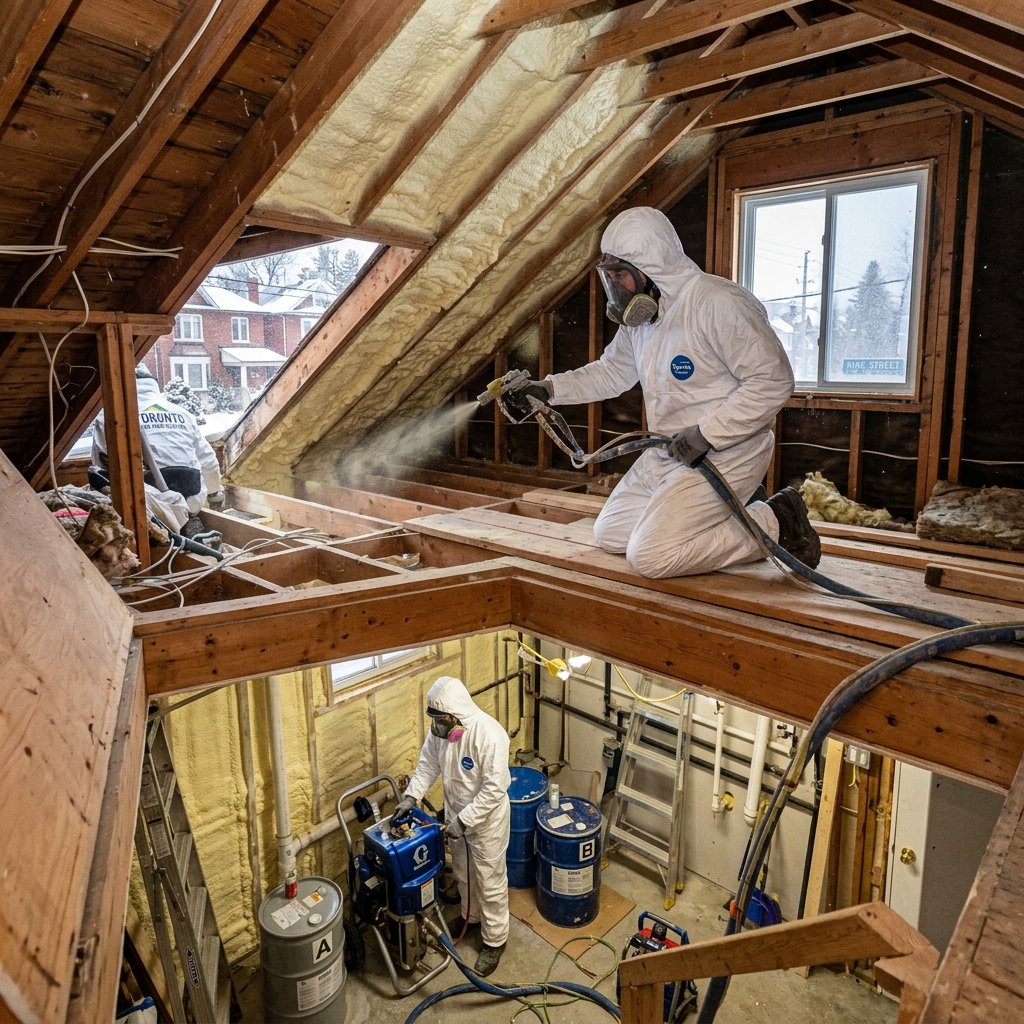
Attic Floor Application (Vented Attic): Spray foam is applied to the attic floor — the ceiling of your top floor living space — sealing all penetrations and providing a continuous thermal and air barrier. The attic space above remains vented to the exterior. This is the most common approach for retrofit projects and is typically less expensive. Closed-cell foam at 2–3 inches creates an excellent air barrier; additional blown-in insulation can then be added on top to reach target R-values.
Roofline Application (Unvented / Hot Roof): Spray foam is applied to the underside of the roof deck and the rafters, converting the attic to a semi-conditioned “hot attic” or “conditioned attic” space. The attic is no longer vented. HVAC equipment, ductwork, and plumbing in the attic are now inside the thermal envelope — a massive efficiency gain if you have any of these systems in your attic. This approach also eliminates ice dams completely. Required: minimum 50% of R-value from air-impermeable insulation per OBC for unvented assemblies.
Spray Foam Kings will assess your specific attic configuration, HVAC layout, and budget to recommend the right approach for your home in the GTA.
Ice Dam Prevention: A Toronto-Specific Benefit
Ice dams are a perennial problem for Toronto homeowners — especially in North York, Scarborough, and Etobicoke where older roof styles and inadequate attic insulation are common. Ice dams form when heat escapes through the attic floor, warms the roof deck, melts snow, and refreezes at the cold eave — creating a dam that backs water up under shingles and into your home.
The roofline spray foam approach eliminates ice dams permanently by keeping the entire roof deck at a uniform temperature — matching the exterior. There is no warm zone to melt the snow. Homeowners who have experienced repeated ice dam damage often see the roofline spray foam investment pay for itself in reduced repair costs and eliminated insurance claims within just a few years.
2026 CAD Pricing: Spray Foam Attic Insulation in Toronto
| Service | Scope | CAD Price Range |
|---|---|---|
| Attic floor air sealing (closed-cell, 2″) | 800–1,200 sq ft | $2,500 – $4,500 |
| Attic floor full spray foam (closed-cell, 3–4″) | 800–1,200 sq ft | $4,000 – $7,500 |
| Hybrid: spray foam air seal + blown-in top-up | 800–1,200 sq ft | $3,500 – $6,000 |
| Roofline / unvented hot attic (closed-cell) | 800–1,200 sq ft | $6,500 – $12,000 |
| Open-cell roofline (+ vapour barrier) | 800–1,200 sq ft | $3,500 – $6,500 |
Most Toronto homeowners see $800–$2,000 in annual energy savings after a full spray foam attic upgrade, based on 2026 utility rates. That represents a payback period of 4–8 years, with 20–30 years of continued savings thereafter.
Canada Greener Homes Grant and Ontario Rebates in 2026
The Canada Greener Homes Grant program, while modified in recent years, continues to offer rebates for home insulation upgrades including attic work. In 2026, eligible homeowners can access up to $5,600 in rebates through the Canada Greener Homes initiative for qualifying attic insulation upgrades. An EnerGuide energy assessment (pre and post) is required. Spray Foam Kings can connect you with certified energy advisors in the GTA and help structure your project to maximize eligible rebates.
Ontario’s Save on Energy and Union Gas (Enbridge) programs may also offer incentives for documented insulation upgrades. We recommend checking with your utility for current 2026 program terms.
Why Spray Foam Kings for Your Attic?
Attic insulation looks simple but requires real expertise — particularly when converting to an unvented attic system. Vapour control, ventilation transitions, fire blocking at the eave, and achieving minimum code-compliant R-values at the rafter heel all require experience and precision.
Spray Foam Kings brings 15+ years of GTA attic insulation experience, SPFA certification, and $5M in liability coverage to every project. We’ve insulated thousands of attics across Scarborough, North York, Etobicoke, Mississauga, Brampton, Vaughan, and Markham — and we know the specific code requirements and permit processes in each municipality.
Frequently Asked Questions About Spray Foam Attic Insulation
How long does spray foam last in an attic?
Properly applied spray foam in an attic environment lasts 20–30+ years. Unlike blown-in fibreglass, which settles and degrades over time, spray foam maintains its R-value and air sealing performance indefinitely. Many homes insulated with spray foam in the 1990s are still performing excellently today.
Will spray foam prevent ice dams on my Toronto home?
The roofline application (applying foam to the underside of the roof deck) eliminates ice dams permanently by removing the heat differential that causes them. The attic floor application significantly reduces them but does not fully eliminate them if there are remaining heat sources in the attic. We’ll assess your specific situation and recommend the right approach.
Can I leave existing insulation and just add spray foam on top?
In most cases we remove existing blown-in fibreglass before applying spray foam to the attic floor. This allows proper assessment of the structure and ensures full contact adhesion. Some hybrid approaches leave existing batts but seal with spray foam — we’ll evaluate what makes sense for your home.
Is spray foam safe to have in my attic?
Once fully cured (typically 24 hours), spray foam is completely inert and safe. It does not off-gas, does not support mould growth, and does not attract pests. During application, the area must be vacated and ventilated. All products used by Spray Foam Kings meet Canadian safety standards.
What happens to attic ventilation when I spray foam the roofline?
When converting to an unvented attic, existing soffit and ridge vents are closed or blocked. The attic is no longer ventilated — it becomes a semi-conditioned space. This requires proper planning to ensure no residual moisture issues. Our team will address this during the assessment and project design phase.
Do I need a building permit for attic spray foam insulation?
For attic floor applications (adding insulation), no permit is typically required in Toronto or GTA municipalities. For roofline conversions that change the building assembly, a building permit may be required. Spray Foam Kings will advise you on permit requirements for your specific project and municipality.
Call Today for a Free Attic Assessment
An uncomfortable home in winter, ice dams on your eaves, or energy bills that seem to climb every year are all signs that your attic needs attention. In 2026, with utility costs at record levels in the GTA, waiting another heating season to address the problem means paying more than you need to.
Call Spray Foam Kings at 647-641-6881 for a free attic insulation assessment. We serve homeowners across Toronto, Scarborough, North York, Etobicoke, Vaughan, Markham, Mississauga, and Brampton — and we’ll provide a detailed written quote within 24 hours of our visit. Let’s make your home warmer, quieter, and more energy-efficient this year.
Related posts
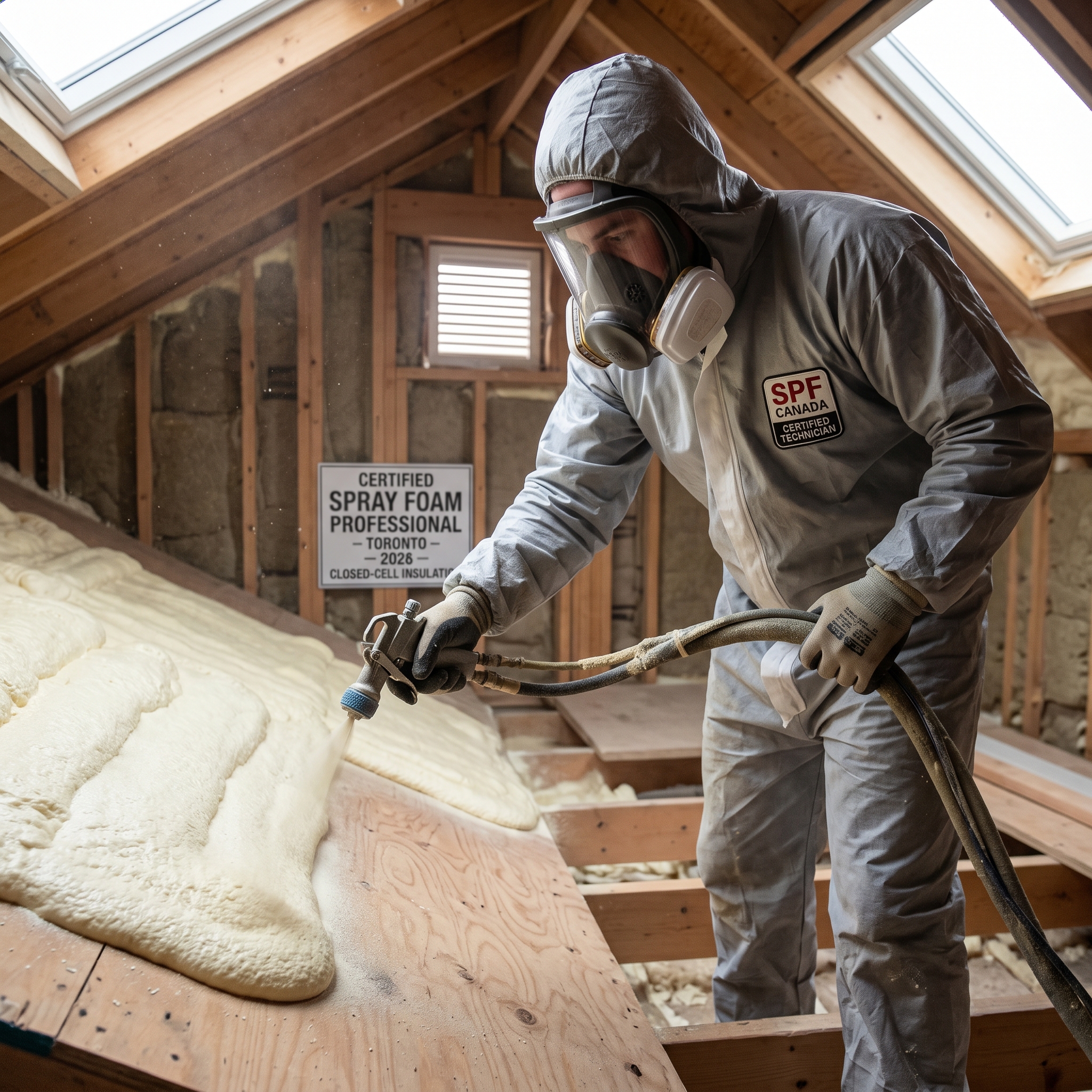
Closed Cell Spray Foam Canada Toronto 2026: Complete Guide
Closed cell spray foam insulation in Canada costs between $2.50 and $5.00 per square foot CAD installed, making it one of the most cost-effective and
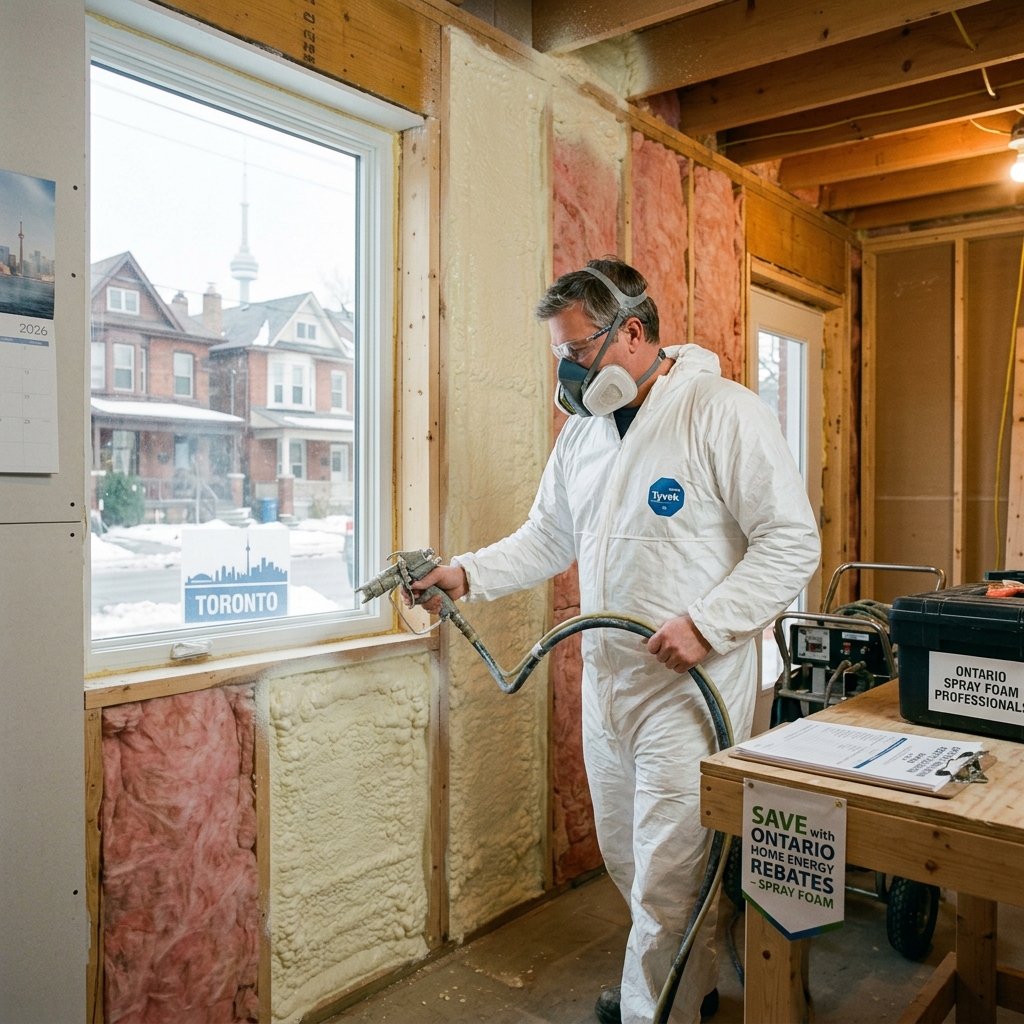
Insulation Rebate Ontario Toronto 2026: Complete Guide
Ontario homeowners who install spray foam insulation can qualify for rebates ranging from $1,600 to $10,600 CAD through federal and provincial programs — and
Spray Foam Insulation Cost Toronto 2026: Exact Pricing for Your Home
Spray foam insulation in Toronto costs $1.50–$3.50 per square foot CAD for open-cell foam and $2.50–$5.00 per square foot CAD for closed-cell foam, fully
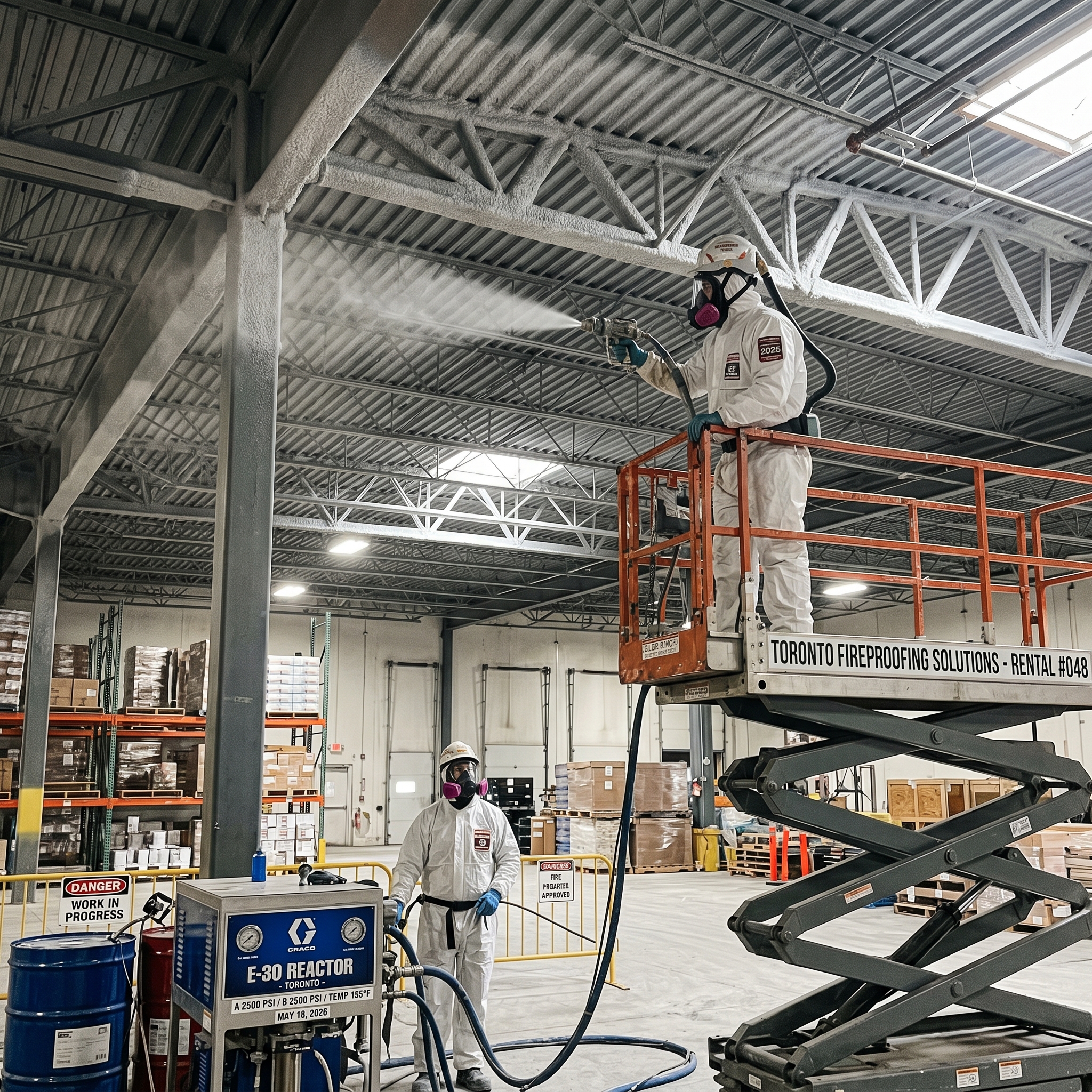
Commercial Spray Foam Fireproofing Services — Toronto & GTA 2026
Commercial spray foam fireproofing in Toronto costs $3.50–$8.00 per square foot installed in 2026, depending on required fire-resistance rating,
Spray Foam Insulation Rebate Ontario 2026: How to Get Up to $10,000 Back on Your Upgrade
Spray foam insulation rebates in Ontario for 2026 can put up to $10,000 CAD back in your pocket when you upgrade from fiberglass or cellulose to