Is Spray Foam Insulation the Right Choice for Your Metal Roof?
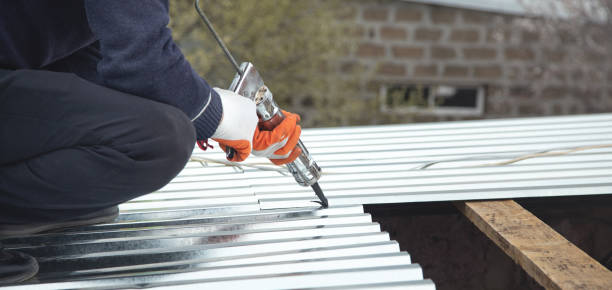
Is Spray Foam Insulation the Right Choice for Your Metal Roof in Toronto? (2026 Guide)
Metal roofing has become increasingly popular across the Greater Toronto Area — from Scarborough bungalows getting modern upgrades to new commercial builds in Vaughan and Brampton. And with that popularity comes a very common question: can spray foam insulation be applied to a metal roof, and is it actually a good idea?
The short answer is yes — spray foam is not only compatible with metal roofs, it’s often the best insulation choice for them. But the full answer depends on your building type, your goals, and your budget. This guide breaks down everything Toronto homeowners and building owners need to know in 2026, including CAD pricing, Ontario Building Code considerations, and why Spray Foam Kings is the GTA’s most trusted installer for metal roof insulation projects.
Why Metal Roofs Create Unique Insulation Challenges
Metal roofs perform exceptionally well for weather protection, longevity, and fire resistance. But they come with thermal characteristics that make standard insulation approaches less effective:
Thermal bridging: Metal is one of the best conductors of heat. Without a continuous insulation barrier, heat moves rapidly through metal panels and into your living or working space in summer — and out in winter. This makes metal roofs among the most energy-inefficient structures when left uninsulated or under-insulated with traditional batts.
Condensation problems: Temperature differentials across metal panels create condensation risk. In Toronto’s climate — with cold winters and humid summers — moisture can accumulate on the underside of metal panels, leading to corrosion, mould growth, and structural damage. This is especially common in North York and Etobicoke where older metal-roof industrial conversions and additions are common.
Noise: Rain and hail on an uninsulated metal roof can be extremely loud. Spray foam applied directly to the underside of metal panels dramatically reduces noise transmission.
Air leakage at seams: Metal roofing systems have many seams, fastener penetrations, and ridge details that allow air infiltration. Spray foam seals all of these simultaneously, something that no batt or board insulation can match.
How Spray Foam Works on Metal Roofs
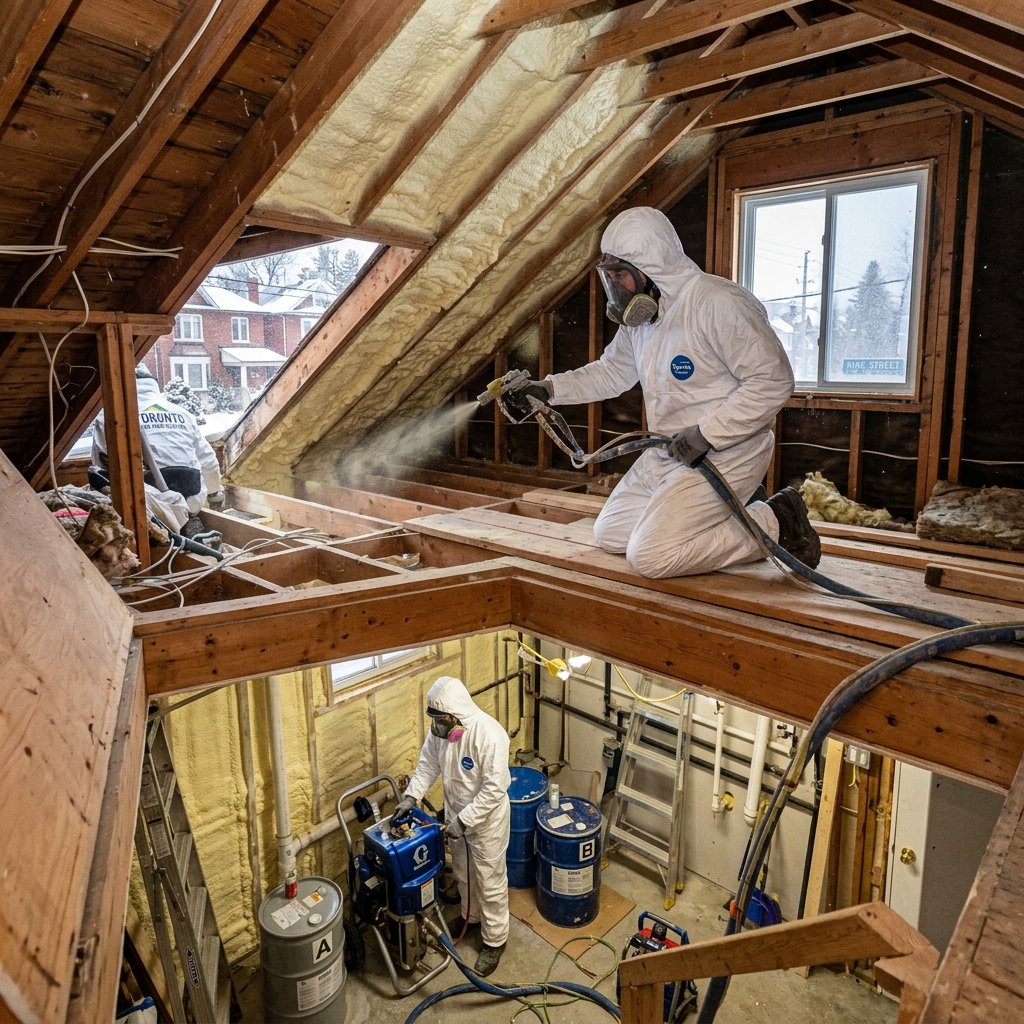
Spray polyurethane foam (SPF) is applied as a two-component liquid that expands on contact with the substrate — in this case, the underside of metal roof panels or, in some applications, the top surface of a flat metal deck. The foam adheres directly to metal, expands into every gap and seam, and cures into a rigid, continuous insulation layer.
There are two types used for metal roof applications:
Closed-cell spray foam (2 lb density) — The preferred choice for metal roofs in Toronto’s climate. Closed-cell SPF achieves R-6 to R-7 per inch, creates a vapour barrier (perm rating well below 1.0), provides structural rigidity, and is completely resistant to water absorption. Applied at 2–3 inches, it delivers R-12 to R-21 of continuous, thermally-break-free insulation directly against the metal panels. It also adds racking strength to metal roof structures.
Open-cell spray foam (0.5 lb density) — Less commonly used for metal roofs but appropriate in some interior ceiling applications where moisture drive is from the interior. Lower R-value per inch (R-3.5 to R-4) and permeable to vapour, requiring a separate vapour barrier in Toronto’s climate zone (Zone 5–6). Significantly lower cost than closed-cell.
For most GTA metal roof applications — residential metal roof additions, agricultural buildings, garages, commercial units in Markham and Brampton — closed-cell spray foam is the right choice.
Metal Roof Spray Foam Applications in Toronto
Spray foam is used on metal roofs in several distinct building types across the GTA:
Residential steel or standing seam metal roofs — Applied to the underside of the roof deck from the attic space. Eliminates attic ventilation requirements by converting to an unvented conditioned attic — a significant performance upgrade for Scarborough and Mississauga homes with metal roof replacements.
Attached or detached garages with metal roofing — One of the most common applications. Spray foam on a garage’s metal roof eliminates the temperature swings that make garages uninhabitable in Toronto winters and unbearable in summers. Many clients in Vaughan and Brampton use their garages as workshops — spray foam makes this practical year-round.
Flat metal deck commercial roofing — Applied above the metal deck (above-deck application) or below (below-deck). Above-deck application with SPF and a protective coating creates an exceptionally durable, energy-efficient roofing system used on warehouses, retail units, and light industrial buildings across the GTA.
Agricultural and storage buildings — Metal-clad barns and storage facilities on the outskirts of the GTA (Caledon, Uxbridge, King City) benefit enormously from spray foam — preventing condensation-driven corrosion and keeping temperature-sensitive goods or animals comfortable.
Spray Foam on Metal Roof: 2026 CAD Cost Guide
| Application Type | Thickness / R-Value | CAD Cost Range |
|---|---|---|
| Garage metal roof (closed-cell) | 2″ / R-12 | $1,800 – $3,500 |
| Residential attic / metal deck | 3″ / R-20 | $3,500 – $7,000 |
| Commercial flat metal deck | 4″ / R-28 | $5,000 – $15,000+ |
| Agricultural building (large) | 2–3″ / R-12–20 | $8,000 – $25,000+ |
| Open-cell (interior ceiling) | 5.5″ / R-20 | $1,200 – $3,000 |
Energy savings from eliminating thermal bridging on a metal roof typically recoup 30–50% of the investment within 3–5 years in Toronto’s climate, based on 2026 Enbridge and Toronto Hydro rates.
Ontario Building Code and Metal Roof Insulation in 2026
Ontario’s Building Code requires minimum effective R-values for roof assemblies in Climate Zone 5 (Toronto and the GTA). For 2026, the SB-12 supplementary standard mandates minimum effective R-31 for attic/roof assemblies in new construction and major renovations. Spray foam’s continuous, thermal-bridge-free application is one of the most efficient ways to achieve these values.
For unvented roof assemblies (spray foam applied directly to the underside of roof sheathing or metal decking), the OBC requires that at least 50% of the total roof R-value be provided by air-impermeable insulation — a requirement that closed-cell spray foam meets by definition.
Spray Foam Kings’ technicians are thoroughly familiar with these requirements and will design your metal roof insulation system to achieve full OBC compliance, including providing the necessary documentation for your building permit file.
Why Spray Foam Kings for Your Metal Roof Project
Spray Foam Kings has completed metal roof insulation projects on everything from single-car garages in Scarborough to 50,000-square-foot commercial facilities in Brampton. Our SPFA-certified technicians understand the specific challenges of bonding spray foam to metal substrates, managing moisture control, and achieving consistent thickness across corrugated and standing-seam profiles.
We carry $5 million in liability insurance, full WSIB coverage, and have been serving the GTA for 15+ years. Every project includes a written thickness guarantee and post-installation thermal check.
Frequently Asked Questions: Spray Foam on Metal Roofs
Will spray foam cause my metal roof to rust?
No — closed-cell spray foam is vapour-impermeable and prevents moisture from reaching the metal surface. In fact, properly applied SPF reduces corrosion risk by eliminating the condensation cycle that causes metal to rust. However, application must be done correctly — any gaps or thin spots in the foam layer can trap moisture. This is why professional application with thickness monitoring is essential.
Can spray foam be applied to an old or rusty metal roof?
Minor surface rust is acceptable — we treat it before application. Severely corroded metal with structural compromise should be repaired or replaced before insulation is applied. Our assessment will identify any areas of concern before we provide a quote.
Does spray foam add structural strength to my metal roof?
Closed-cell spray foam bonds rigidly to metal and adds meaningful racking and uplift resistance. Studies have shown that SPF-insulated metal panels can withstand 30–50% greater wind uplift loads than uninsulated equivalents. In Toronto’s climate — with ice storms and the occasional derecho — this is a meaningful safety benefit.
Is spray foam on a metal roof permanent?
Yes — spray foam chemically bonds to metal and is not removable without mechanical means. This makes the installation decision essentially permanent. However, in the overwhelming majority of cases, homeowners and building owners are thrilled with the results. If the roof needs to be replaced, the foam can be mechanically removed or a new metal roof installed over it in some configurations.
How long does it take to insulate a metal roof with spray foam?
A typical residential garage (500 sq ft) can be insulated in 3–5 hours. A larger residential attic or commercial building will require a full day or multiple days depending on scope. We provide a project timeline with every quote.
What’s the payback period for metal roof spray foam insulation in Toronto?
For a typical garage or small commercial building in 2026, energy savings of $500–$1,500 per year are common after spray foam installation on a previously uninsulated metal roof. Payback periods of 3–6 years are typical, after which the savings represent pure ROI on your investment.
Get a Free Metal Roof Insulation Assessment
Whether you’re insulating a garden shed, a 3-car garage in Vaughan, or a commercial unit in Markham, Spray Foam Kings has the experience and equipment to get it done right. We serve all of Toronto, Scarborough, North York, Etobicoke, Mississauga, Brampton, Vaughan, and the surrounding GTA — and we’ll have your free written quote ready within 24 hours of our site visit.
Call us today at 647-641-6881 and let’s make your metal roof work harder for you in 2026 and for decades to come.
Related posts
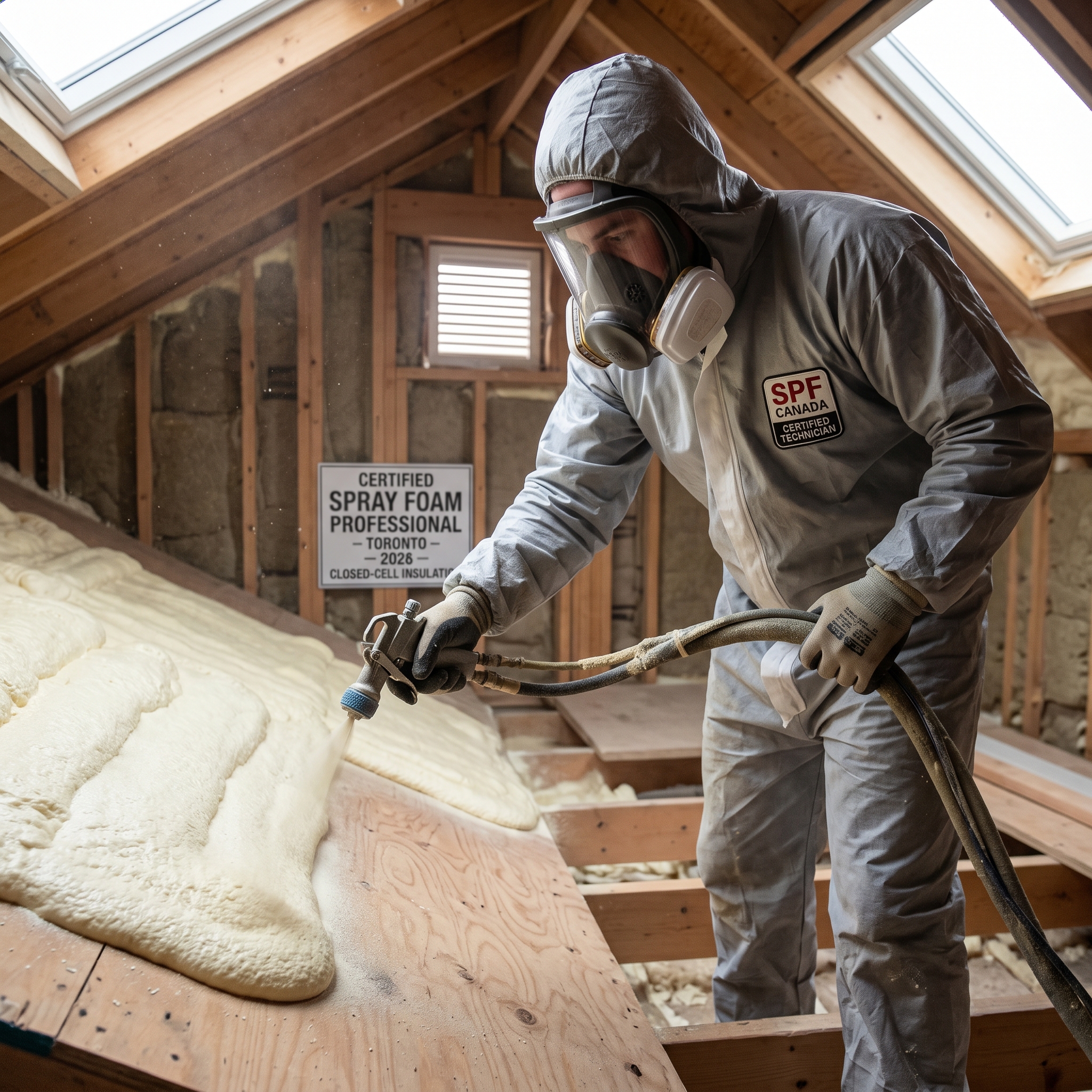
Closed Cell Spray Foam Canada Toronto 2026: Complete Guide
Closed cell spray foam insulation in Canada costs between $2.50 and $5.00 per square foot CAD installed, making it one of the most cost-effective and
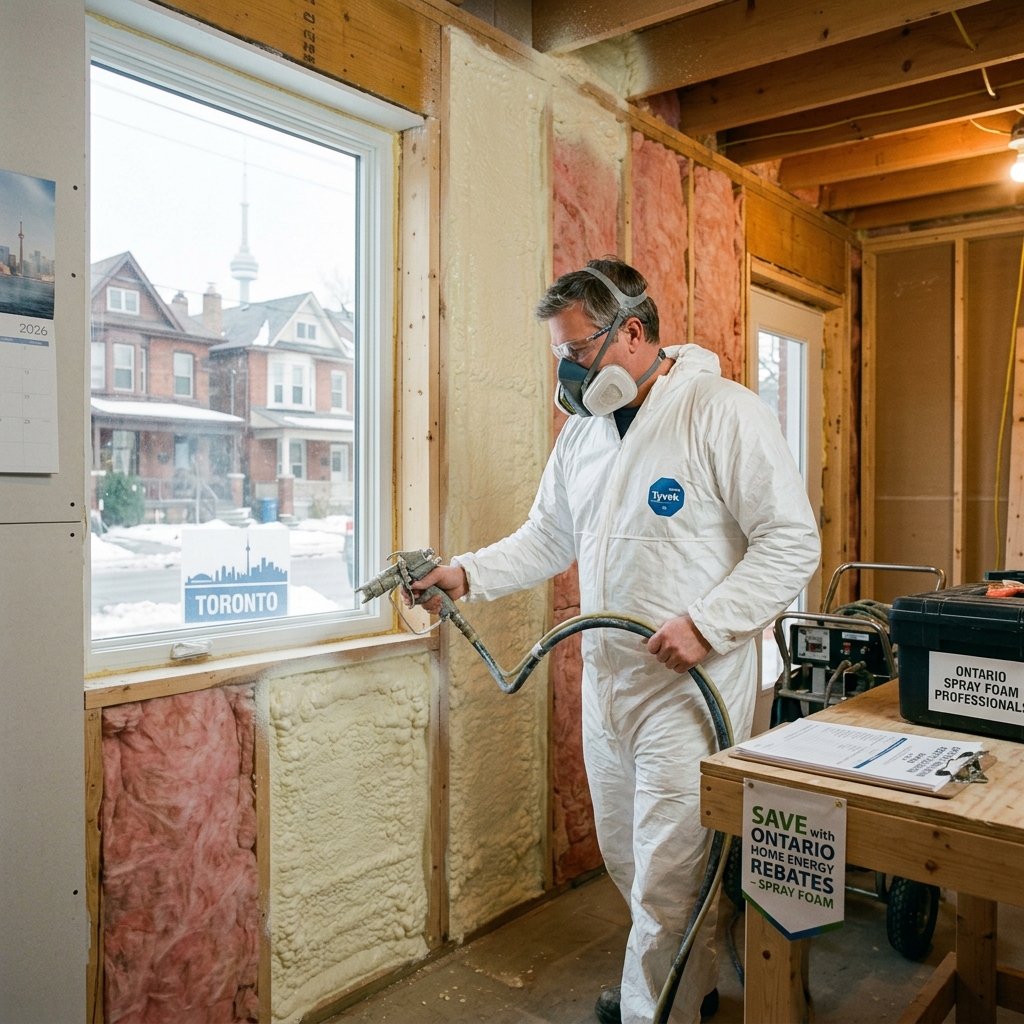
Insulation Rebate Ontario Toronto 2026: Complete Guide
Ontario homeowners who install spray foam insulation can qualify for rebates ranging from $1,600 to $10,600 CAD through federal and provincial programs — and
Spray Foam Insulation Cost Toronto 2026: Exact Pricing for Your Home
Spray foam insulation in Toronto costs $1.50–$3.50 per square foot CAD for open-cell foam and $2.50–$5.00 per square foot CAD for closed-cell foam, fully
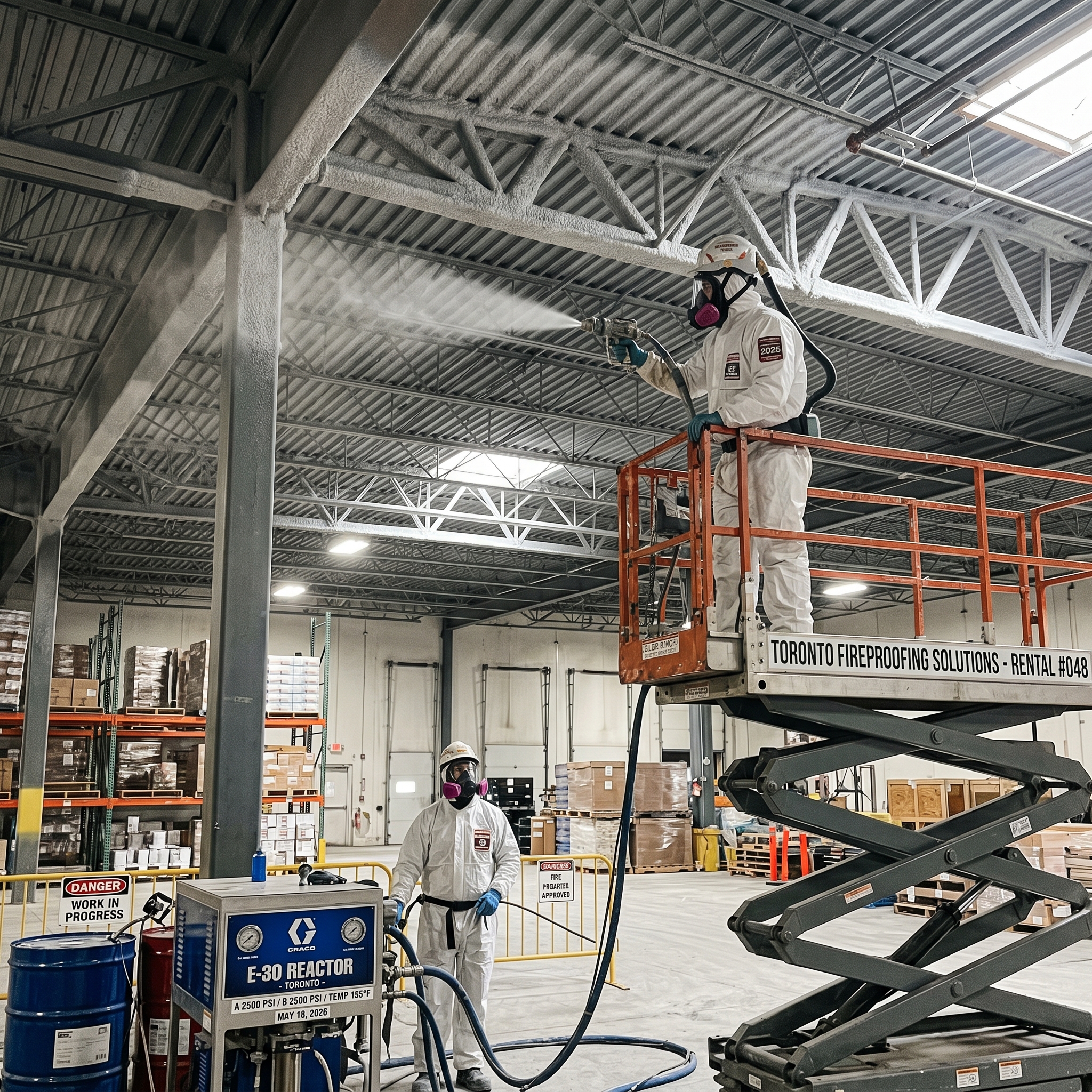
Commercial Spray Foam Fireproofing Services — Toronto & GTA 2026
Commercial spray foam fireproofing in Toronto costs $3.50–$8.00 per square foot installed in 2026, depending on required fire-resistance rating,
Spray Foam Insulation Rebate Ontario 2026: How to Get Up to $10,000 Back on Your Upgrade
Spray foam insulation rebates in Ontario for 2026 can put up to $10,000 CAD back in your pocket when you upgrade from fiberglass or cellulose to