Beyond Comfort: Unveiling the Transformative Power of Home Insulation
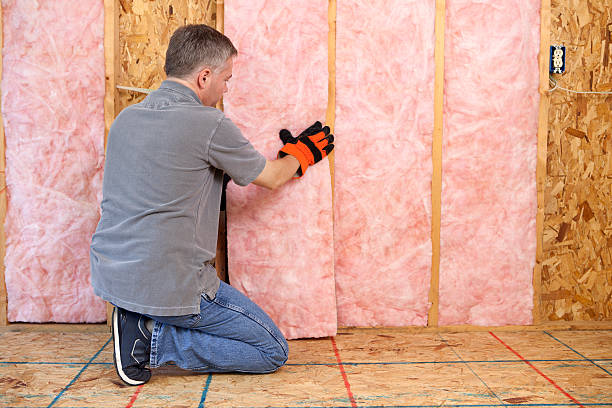
Beyond Comfort: The Transformative Power of Home Insulation for Toronto Homeowners in 2026
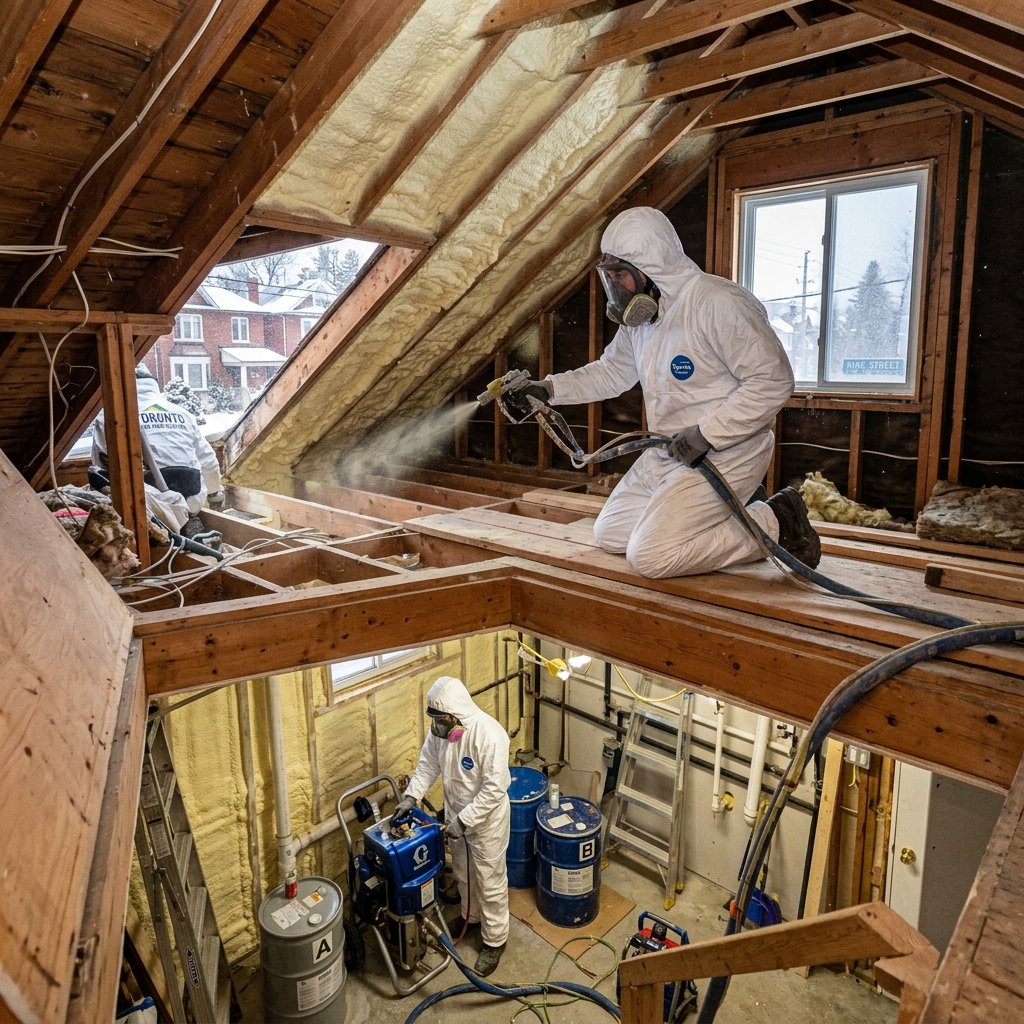
Most people think of home insulation in purely functional terms — something that keeps you warm in winter and reduces your gas bill. And while that’s true, it sells insulation short. Properly done, home insulation — particularly spray foam — transforms not just the thermal performance of a building but its entire character: how it feels to live in, what it costs to run, how it responds to weather events, how long its mechanical systems last, and what it’s worth in the market. This guide explores the full, transformative impact of modern home insulation for Toronto homeowners in 2026.
The First Transformation: Silence
One of the most immediate and surprising benefits of spray foam insulation that homeowners report is not thermal — it’s acoustic. Spray foam’s dense, air-sealing nature dramatically reduces the transmission of exterior noise into the home. Traffic noise from busy GTA roads, aircraft noise (a real concern in Scarborough, Etobicoke, and Mississauga near flight paths), and neighbourhood noise all diminish significantly when the building envelope is properly sealed and insulated.
In Toronto’s dense urban and suburban environment, where homes in North York, Scarborough, and the inner suburbs are close to busy streets and commercial corridors, the noise reduction from spray foam insulation can be immediately transformative. Homeowners describe the effect as the house becoming “quieter,” “more peaceful,” or “like a different place” after installation — without any acoustic-specific treatment having been applied.
Interior noise transmission between floors and rooms is also reduced when spray foam is used in floor and wall cavities. This is particularly relevant for multi-generational households or homes with basement secondary suites — a growing segment in the GTA’s 2026 housing market.
The Second Transformation: Air Quality
An un-insulated, air-leaky home is in constant, uncontrolled air exchange with the outdoors. In Toronto’s urban environment, that outdoor air carries automotive exhaust, pollen, particulate matter, and in summer, smog. When an improperly sealed home “breathes” through its leaky envelope, it draws this air through attic insulation, wall cavities, and basement rim joists — distributing it throughout the living space without any filtration.
Spray foam’s air sealing function eliminates this uncontrolled infiltration. Combined with a properly designed mechanical ventilation system (HRV or ERV), the home controls exactly how much outdoor air enters, when, and through what filtration. The result is measurably better indoor air quality — particularly beneficial for households with allergy sufferers, asthma, or respiratory conditions. This is a meaningful quality of life improvement for families across Brampton, Vaughan, and Markham where outdoor air quality varies significantly seasonally.
The Third Transformation: Climate Resilience
The GTA’s weather has become more extreme in recent years. In 2026, extreme cold events, ice storms, summer heat waves, and high wind events are more frequent and more intense than they were 20 years ago. A well-insulated home is dramatically more resilient to these extremes.
During a winter power outage — increasingly common after severe ice storms in Scarborough and North York — a well-insulated home retains its heat for hours or days longer than a poorly insulated one. A home with R-50+ attic insulation and sealed walls will drop temperature at a fraction of the rate of a leaky, under-insulated home — giving the family time to arrange alternative arrangements safely or simply ride out a shorter outage in comfort.
During extreme summer heat events, a properly insulated and air-sealed home keeps interior temperatures stable, reducing the urban heat island effect’s impact inside the building and the strain on air conditioning equipment. In 2026, with Toronto experiencing more heat advisories than at any point in recorded history, this resilience has genuine public health implications for vulnerable populations.
The Fourth Transformation: Mechanical System Longevity
Your furnace, air conditioner, and heat pump are sized for your home’s thermal load. An under-insulated home with significant air leakage imposes a larger thermal load than the system was designed for — causing it to run longer, cycle more frequently, and wear out faster. Studies show that HVAC systems in well-insulated homes last 20–30% longer on average than equivalent systems in under-insulated homes.
In practical terms, this means that upgrading your insulation can extend the life of your furnace by several years — deferring a $5,000–$12,000 replacement cost and reducing the frequency of costly maintenance interventions. The insulation investment pays dividends not just in energy bills, but in HVAC capital expenditure over the life of the home.
The Fifth Transformation: Financial Predictability
Homeowners with poorly insulated homes have no control over their energy costs — they’re at the mercy of weather and utility rates. Homeowners with high-performance insulated homes have dramatically more predictable, stable energy costs. Their monthly bills don’t spike $400 in February because of a cold snap; their summer bills don’t double during a heat wave. This financial predictability has real value — particularly for fixed-income homeowners, first-time buyers stretching their budgets, and landlords trying to forecast operating costs for rental properties.
In 2026, with energy price volatility a persistent feature of the Ontario market, predictability is increasingly valuable. A spray foam-insulated home is a more financially resilient home.
What Toronto Home Insulation Transformation Costs: 2026 CAD Guide
| Project | Investment (CAD) | Annual Savings (CAD) |
|---|---|---|
| Attic spray foam (full) | $4,500 – $12,000 | $700 – $1,500 |
| Basement walls + rim joists | $4,500 – $9,000 | $600 – $1,400 |
| Full home envelope | $12,000 – $22,000 | $1,800 – $3,500 |
| Canada Greener Homes rebate | Up to -$5,600 | — |
Why Spray Foam Kings Delivers This Transformation
Spray Foam Kings has been transforming Toronto homes for 15+ years. Our SPFA-certified technicians, $5M liability coverage, WSIB protection, and comprehensive project documentation process ensure that every project delivers on its full transformative potential — not just a quick spray job, but a building science-informed upgrade that will perform for decades.
We serve all of Toronto, Scarborough, North York, Etobicoke, Mississauga, Brampton, Vaughan, and Markham — and we provide free assessments with written quotes within 24 hours of our site visit.
Frequently Asked Questions
Does spray foam insulation really reduce noise in a Toronto home?
Yes — significantly. Spray foam’s density and air-sealing properties reduce both exterior noise infiltration and interior transmission between rooms and floors. Homeowners consistently report the acoustic improvement as one of the most immediately noticeable and appreciated benefits after installation, particularly in homes near busy GTA roads or under flight paths.
How does insulation improve indoor air quality?
By eliminating uncontrolled air infiltration through the building envelope, spray foam forces all ventilation through designed, filtered pathways (typically an HRV or ERV). This eliminates the infiltration of unfiltered outdoor air through leaky assemblies, dramatically improving indoor air quality — particularly for allergy and asthma sufferers.
Will better insulation extend the life of my furnace?
Yes — a well-insulated home imposes a lower, more consistent thermal load on your HVAC system, reducing run times and cycling frequency. Studies indicate 20–30% longer equipment life in well-insulated homes compared to leaky equivalents. Deferring a furnace replacement by 3–5 years is a real additional financial benefit of the insulation investment.
How does home insulation help during a power outage in Toronto’s winter?
A well-insulated home (R-50+ attic, sealed walls) retains heat dramatically longer during a power outage. A home with marginal insulation might lose 5°C per hour in an extreme cold event; a properly insulated home might lose less than 1°C per hour — providing critical safety margin during ice storm outages that are increasingly common in the GTA.
Is the Canada Greener Homes rebate still available in 2026?
Yes — the Canada Greener Homes initiative continues to offer rebates for qualifying home insulation upgrades in 2026, up to $5,600 per household. An EnerGuide energy assessment (pre and post) is required. Spray Foam Kings can connect you with registered energy advisors in the GTA to manage the assessment and rebate application process.
Begin Your Home’s Transformation Today
Insulation isn’t just a building material — it’s the foundation of a more comfortable, quieter, healthier, more resilient, and more financially stable home. In 2026, with GTA energy costs at historic highs and climate events becoming more extreme, the case for transformative home insulation has never been more compelling.
Call Spray Foam Kings at 647-641-6881 for a free home assessment. We serve all of Toronto, Scarborough, North York, Etobicoke, Mississauga, Brampton, Vaughan, and Markham — and we’re committed to delivering the full, transformative potential of spray foam insulation for every home we work in.
Related posts
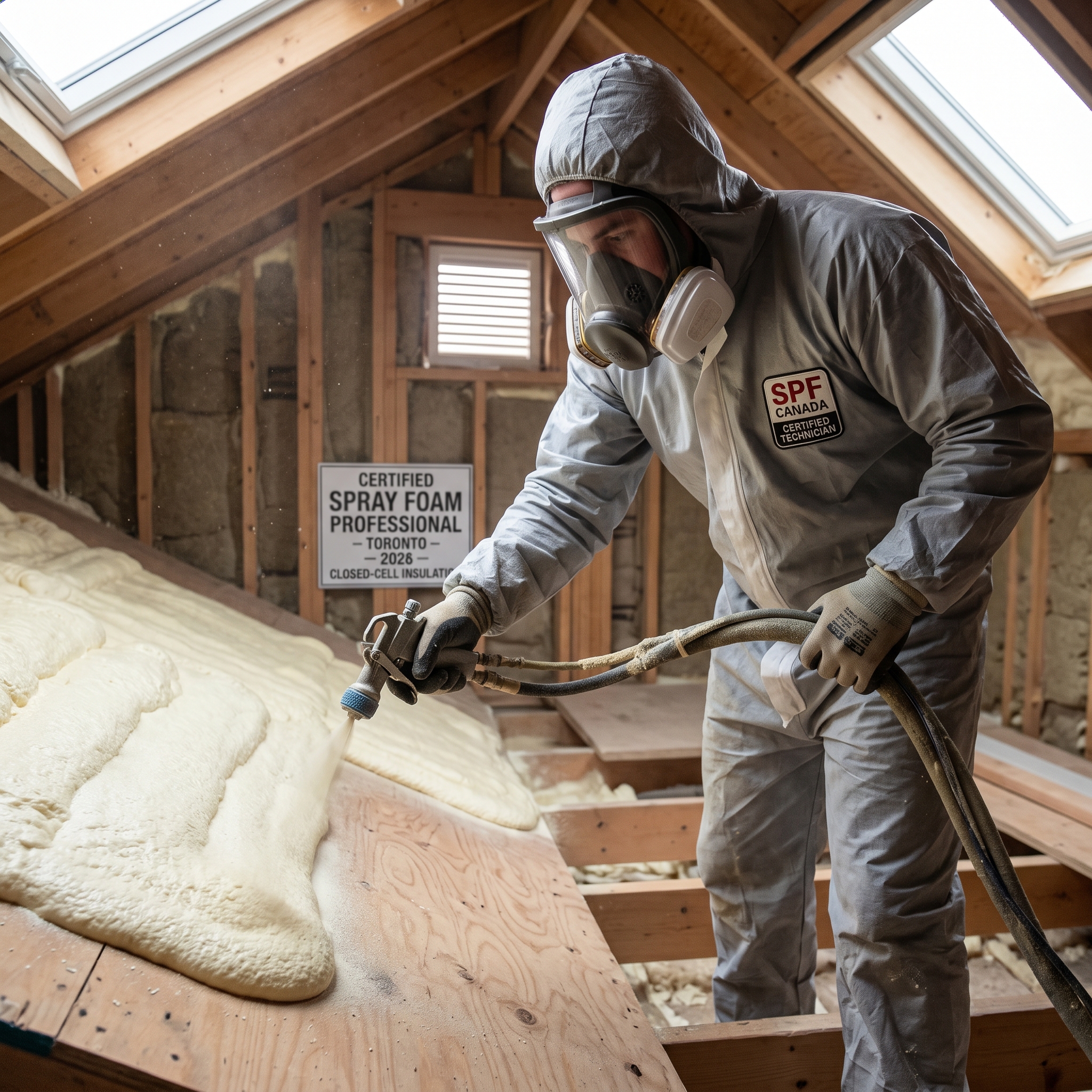
Closed Cell Spray Foam Canada Toronto 2026: Complete Guide
Closed cell spray foam insulation in Canada costs between $2.50 and $5.00 per square foot CAD installed, making it one of the most cost-effective and
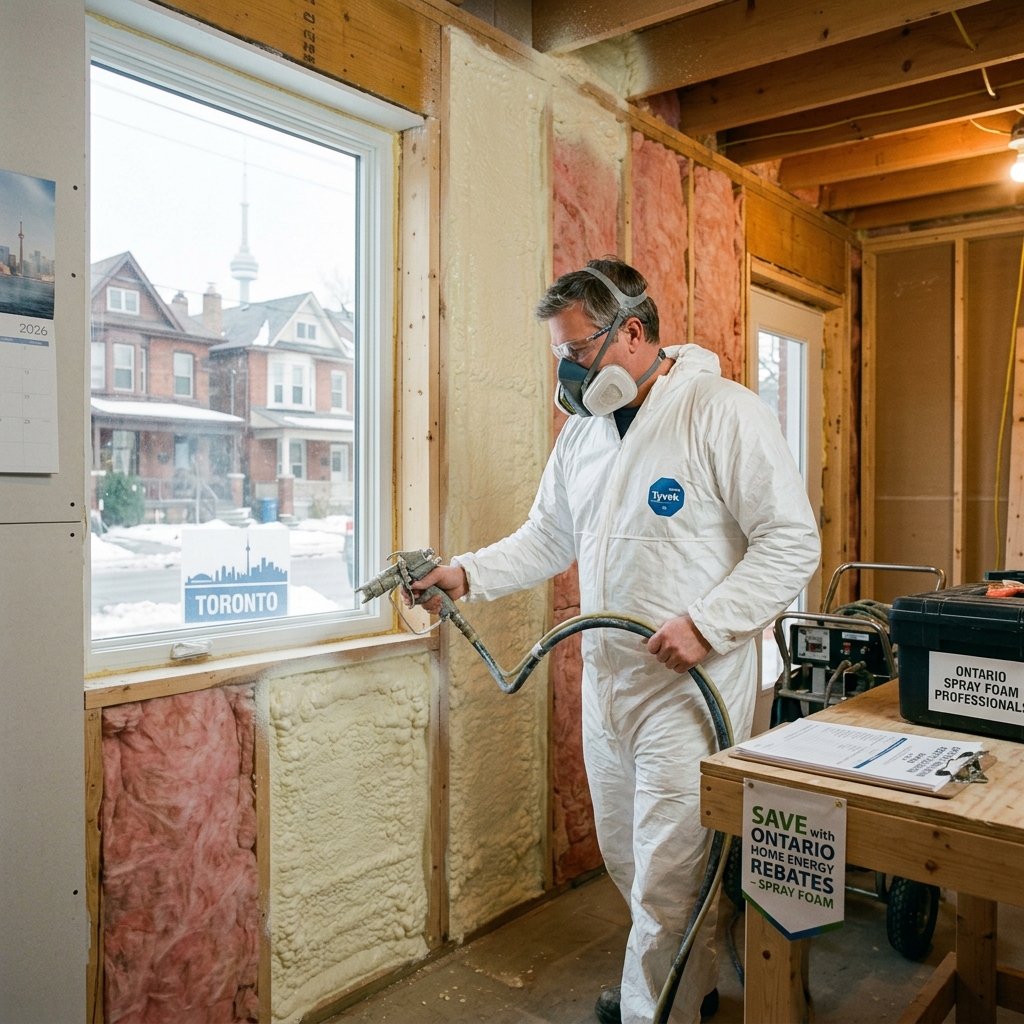
Insulation Rebate Ontario Toronto 2026: Complete Guide
Ontario homeowners who install spray foam insulation can qualify for rebates ranging from $1,600 to $10,600 CAD through federal and provincial programs — and
Spray Foam Insulation Cost Toronto 2026: Exact Pricing for Your Home
Spray foam insulation in Toronto costs $1.50–$3.50 per square foot CAD for open-cell foam and $2.50–$5.00 per square foot CAD for closed-cell foam, fully
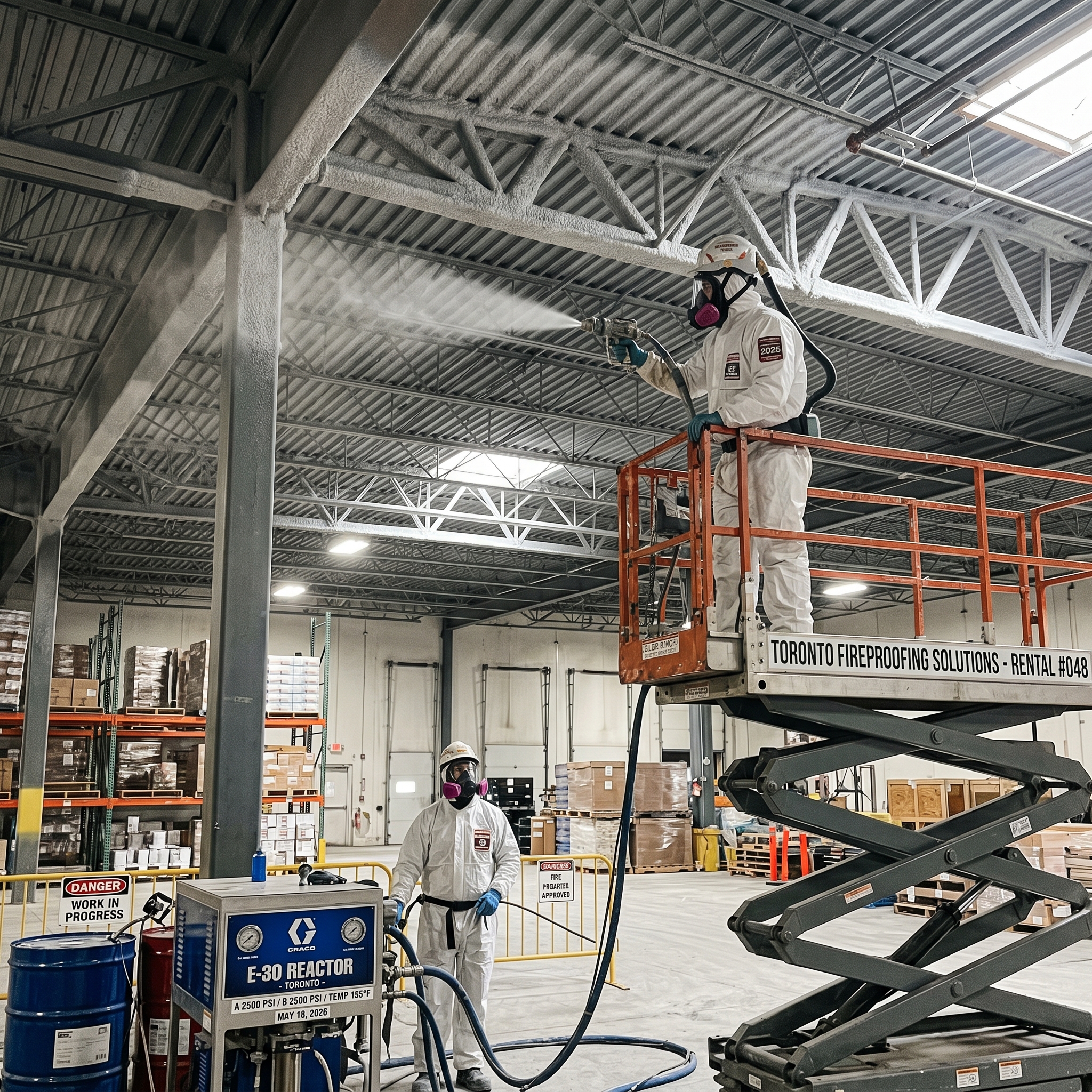
Commercial Spray Foam Fireproofing Services — Toronto & GTA 2026
Commercial spray foam fireproofing in Toronto costs $3.50–$8.00 per square foot installed in 2026, depending on required fire-resistance rating,
Spray Foam Insulation Rebate Ontario 2026: How to Get Up to $10,000 Back on Your Upgrade
Spray foam insulation rebates in Ontario for 2026 can put up to $10,000 CAD back in your pocket when you upgrade from fiberglass or cellulose to